orders@wingleader.co.uk
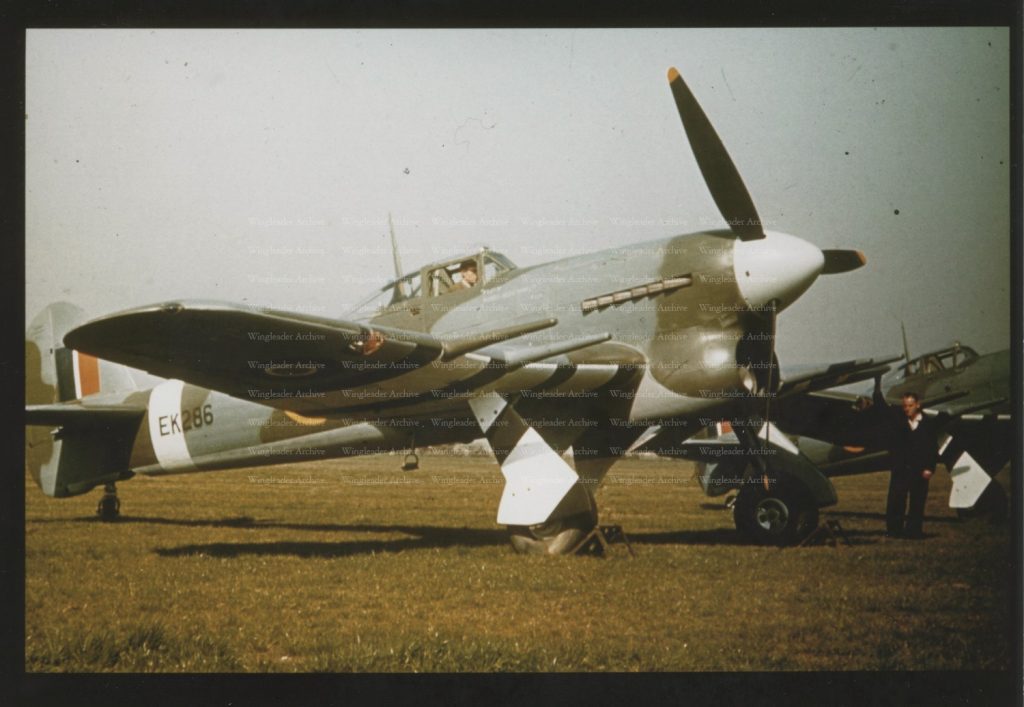
Hawker Typhoon
RAF Serial: JR516
RAF Tactical Exercise Unit, 9 Group ADGB
Pilot: Sgt. Norman Joseph Brightwell (killed)
Date: 5th August 1944
Place: Gloucester, Gloucestershire
Sgt. Norman Joseph Brightwell, from Shepreth, was posted to the RAF Tactical Exercise Unit, 9 Group ADGB, Aston Down, Gloucestershire, on 1st August 1944. Pilots were sent there for specialist training in ground attack techniques. At 18.15 hours on 5th August, 1944, he was detailed to do height climbing exercises to 20,000ft in Hawker Typhoon JR516, which was only his third flight in this type of aircraft.
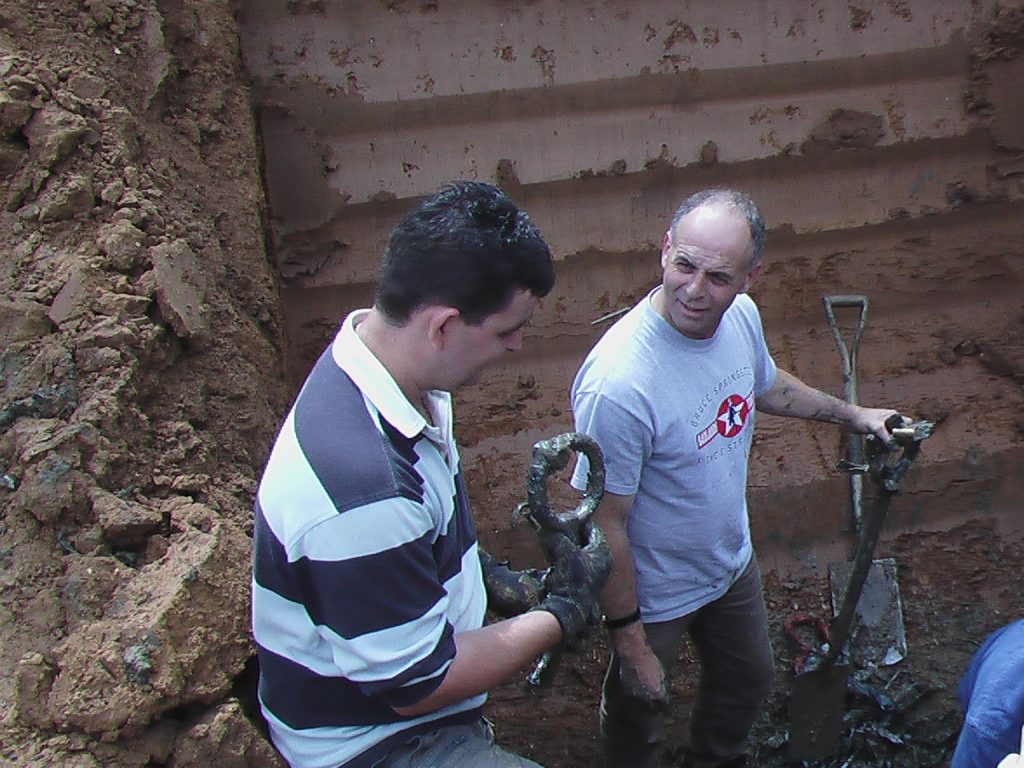
While in the air, the engine caught fire, and eye-witnesses heard a loud whining noise and saw smoke and flames billowing from the plane. It soon lost speed, and then, at 18.40 hours, it went into a steep dive into a field near Gloucester, Gloucestershire – sadly, Norman was killed. The plane buried itself deeply in the ground, and the engine and pilot had to be dug out. Farm hands working in nearby fields were first at the scene, and reported seeing the aircraft’s tail in the air, a small part of the propeller showing, and a wheel up in a tree. The engine was very badly damaged, but the RAF accident report concluded that the fire had started in the carburetor area of the engine. It is thought that the pilot had difficulty in jettisoning the hood and could not bail out, even though it would seem that he had the height and time to do so. The weather was fair with visibility 18 miles with 4/10th cloud at 3500ft and 1/10th cloud above 8000ft.


Many Typhoons were built by the Gloucester Aircraft Company at Brockworth. Although it is not confirmed that this exact aircraft was manufactured there. JR516 was built in the latter part of 1943, and enjoyed a brief sojourn at No. 51 Maintenance Unit, Lichfield, before joining 137 Squadron for active service on 1st January, 1944. The aircraft suffered damage in March of that year when its pilot overshot the runway and crash-landed at Lympne, Kent. After repairs, JR 516 was sent to No. 13 Maintenance Unit for modifications before being allocated to No. 3 Tactical Exercise Unit at Aston Down, where it received the squadron letters FA-E.
At first, the Hawker Typhoon was not a popular fighter with pilots, especially those coming from flying Hurricanes and Spitfires. It was a ‘seven-ton brute,’ and they found it clumsy and unreliable – vision was poor, especially when flying into the sun, and it was said to be ‘like going to war in blinkers’. Even so, it was a powerful aeroplane with a 2200 hp engine and could take on the role as a high altitude air superiority fighter against the threat of newly emerging German fighters. It was 100 mph faster than the Hurricane and was also used as a ground attack aeroplane, and was highly successful against German tanks. It played a very important and decisive role in the final phase of World War II.
At the time of his death in 1944, the battle for Europe was at its height, and there is no doubt Norman would soon have been sent out there to join the fight, but it was not to be. He was only 21 years of age when he was killed and is buried at Shepreth All Saints Church; his next of kin were his parents, Walter Augustus and Frances Annie Brightwell. His sacrifice has not been forgotten, for, on Remembrance Sunday each year, his name is read out during the service at Taynton Church together with those of the village who died in the two world wars.
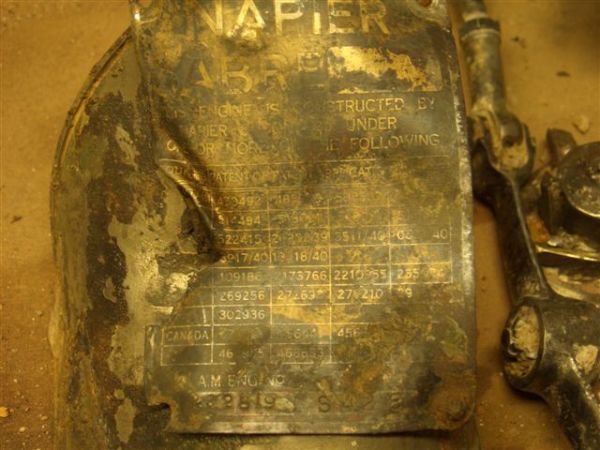
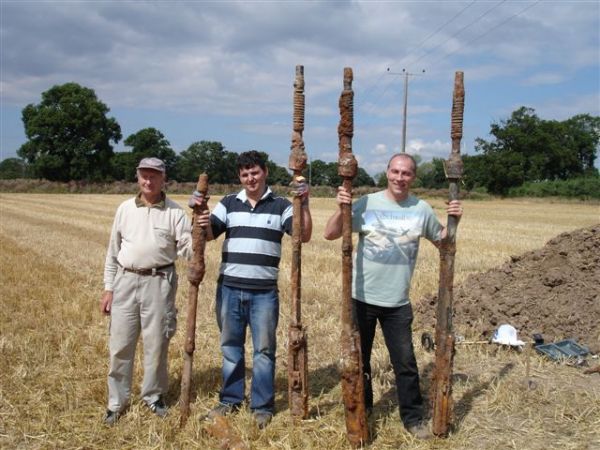
The excavation in August 2005 recovered the main data plate from the engine and the four cannons, which have been licensed as deactivated.