orders@wingleader.co.uk
Blackburn Fireband II
RAF Serial: DK379
Naval Test Squadron at the A&AEE
Pilot: C/O. Michael Torrens Spence (1914-2001)
Date: 27th February 1945, during torpedo trials
Place: near Boscombe Down, Wiltshire
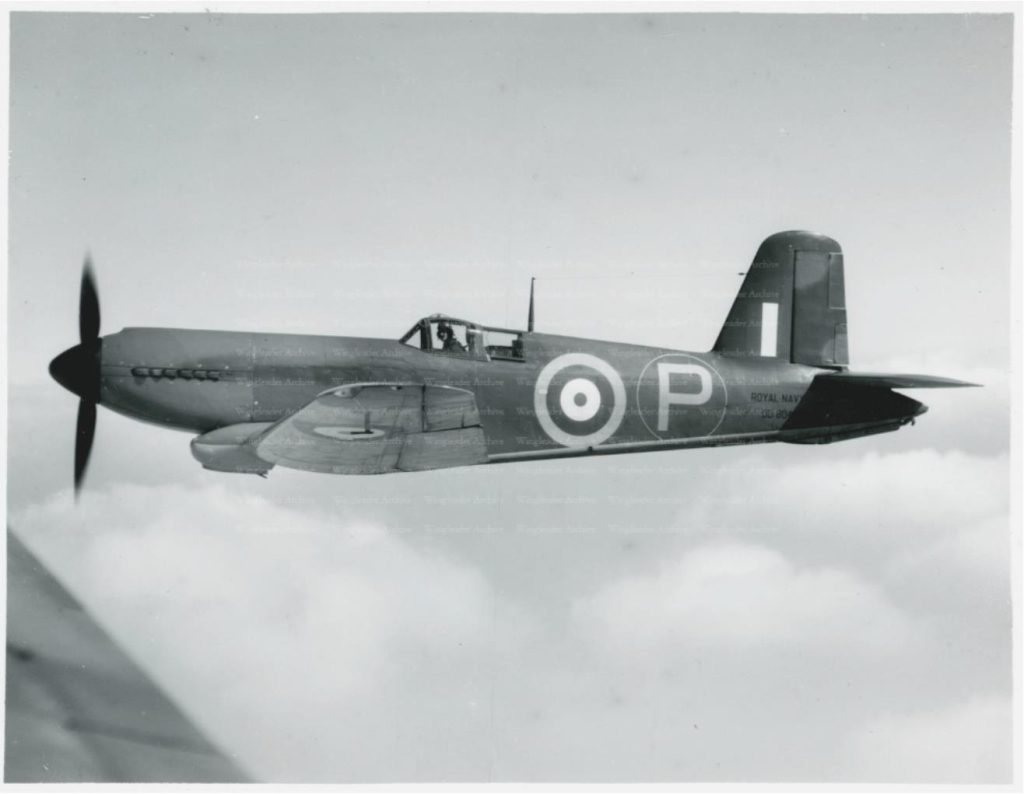
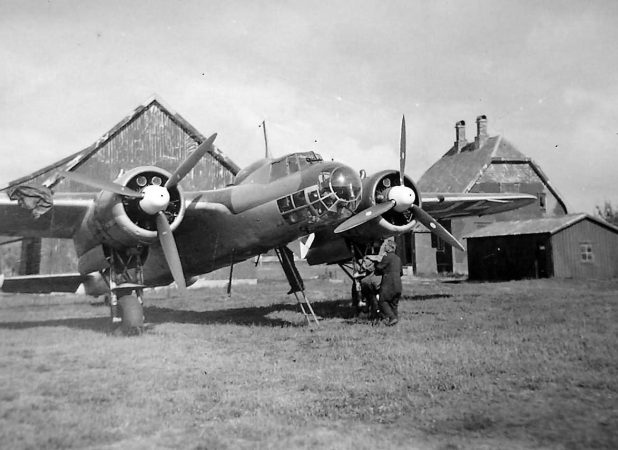
The Firebrand was commissioned as a successor to the Fairey Fulmar Royal Navy Fleet Defence fighter. Initially using a Napier Sabre engine, but quickly changing to a Centaurus, as the Sabres were needed for aircraft which actually worked. It was not helped by specifications which varied between fighter and Torpedo bomber. In the torpedo carrying role, it was being evaluated by a very experienced test pilot. It did not go well.
Captain Michael Torrens-Spence was the CO of the Naval Test Squadron at the A&AEE, Boscombe Down. He had previously flown a Swordfish at Taranto, gaining a part share in damaging the battleship ‘Littorio’ and later damaging the cruiser ‘Pola’. He’d also crashed an Albacore on Crete and force-landed a propeller-less Barracuda near Stonehenge, amongst other things.
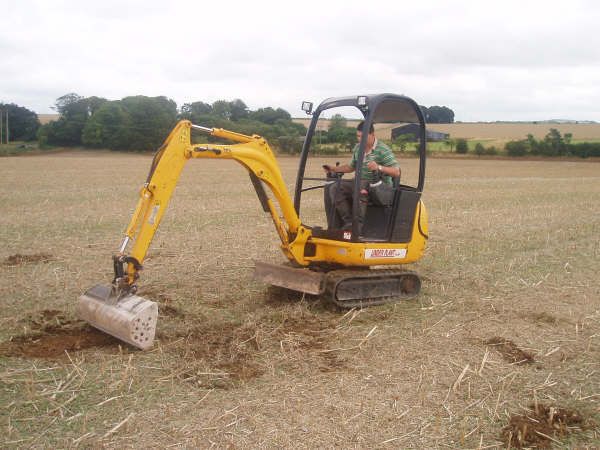
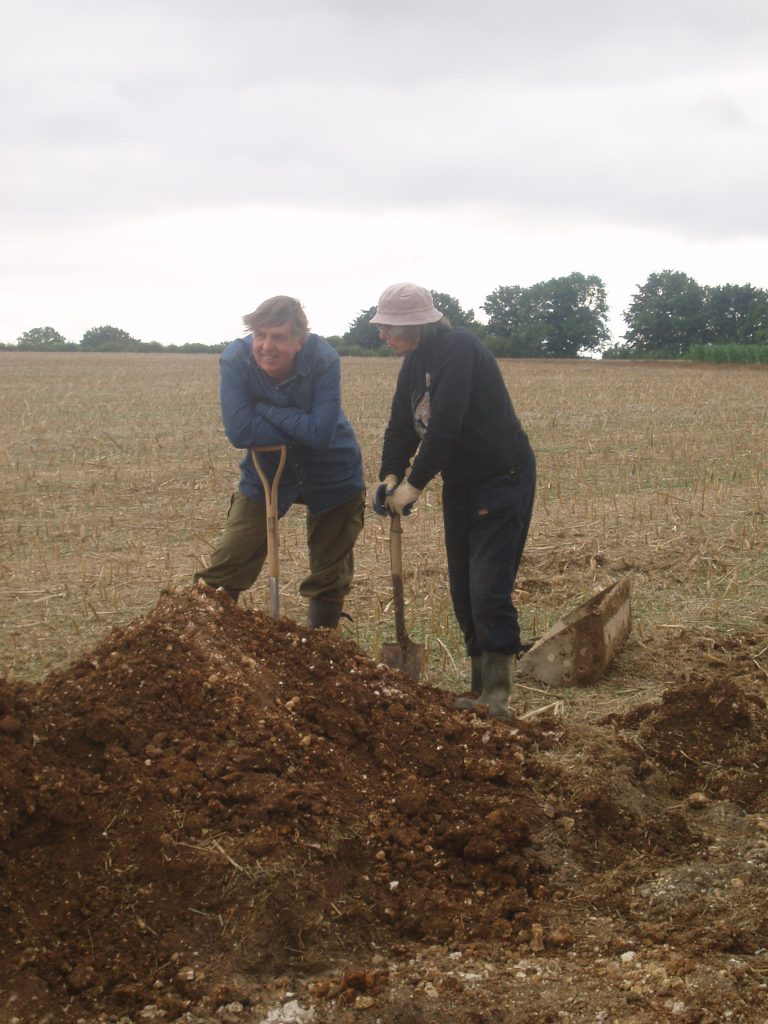
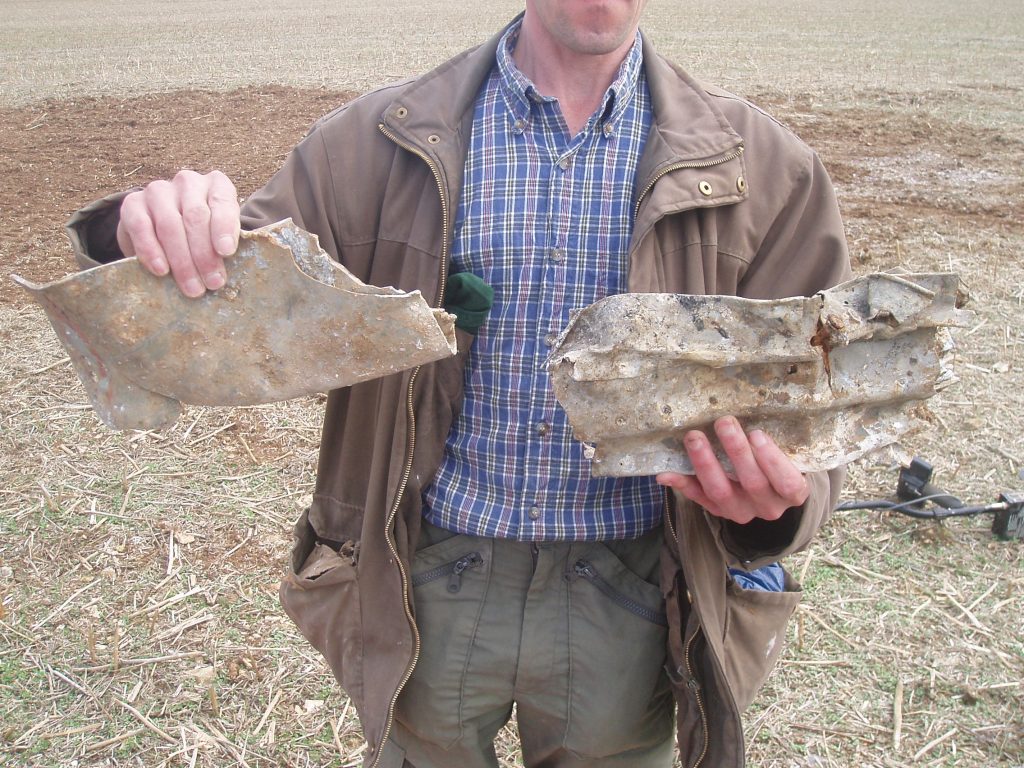
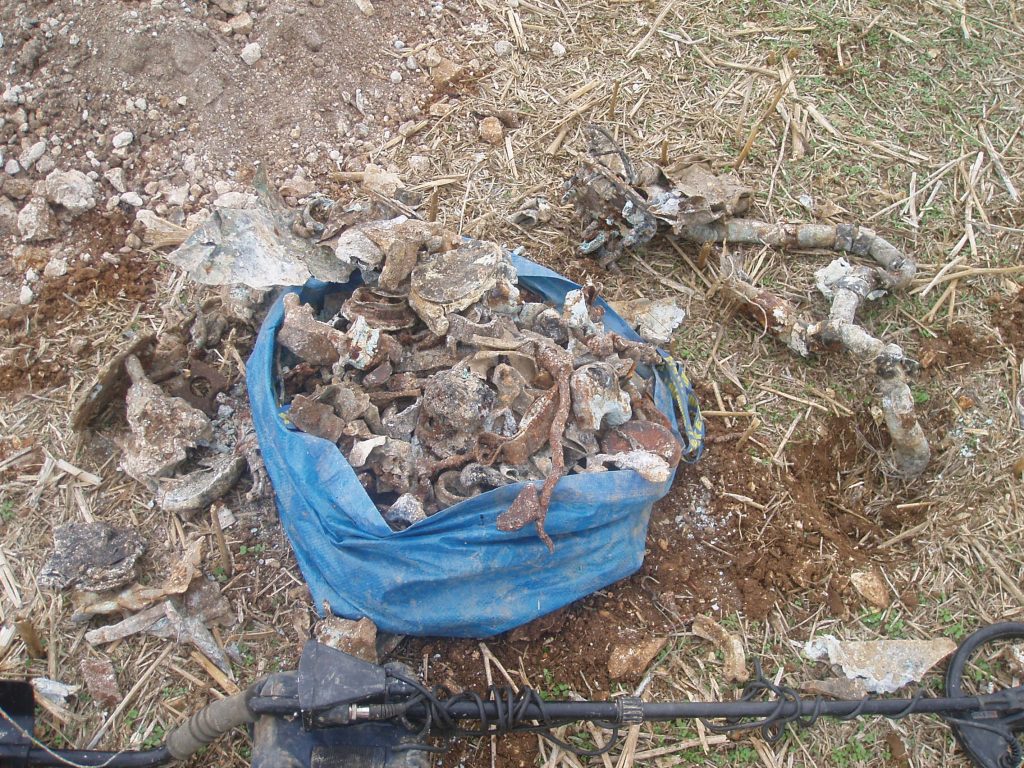
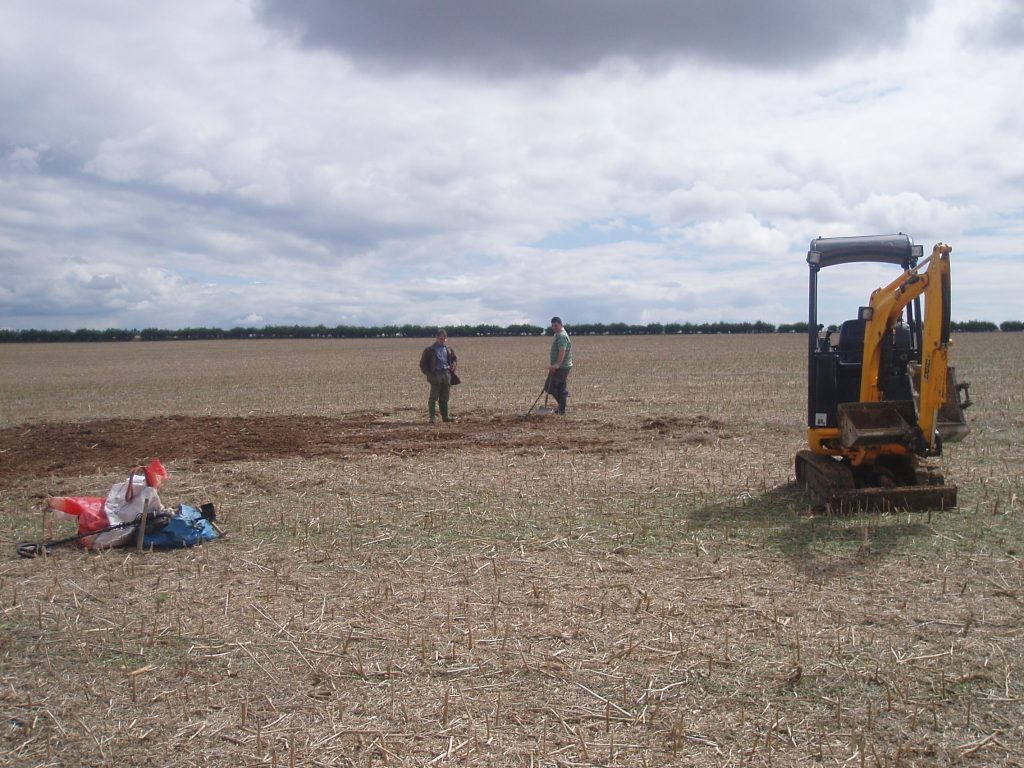
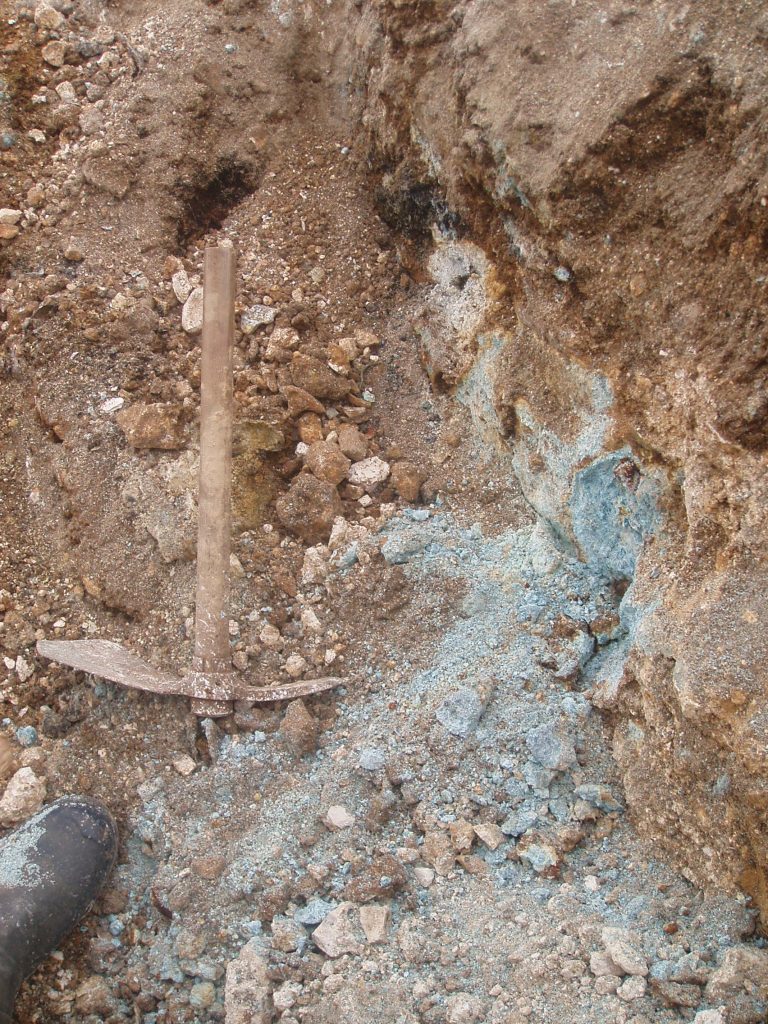
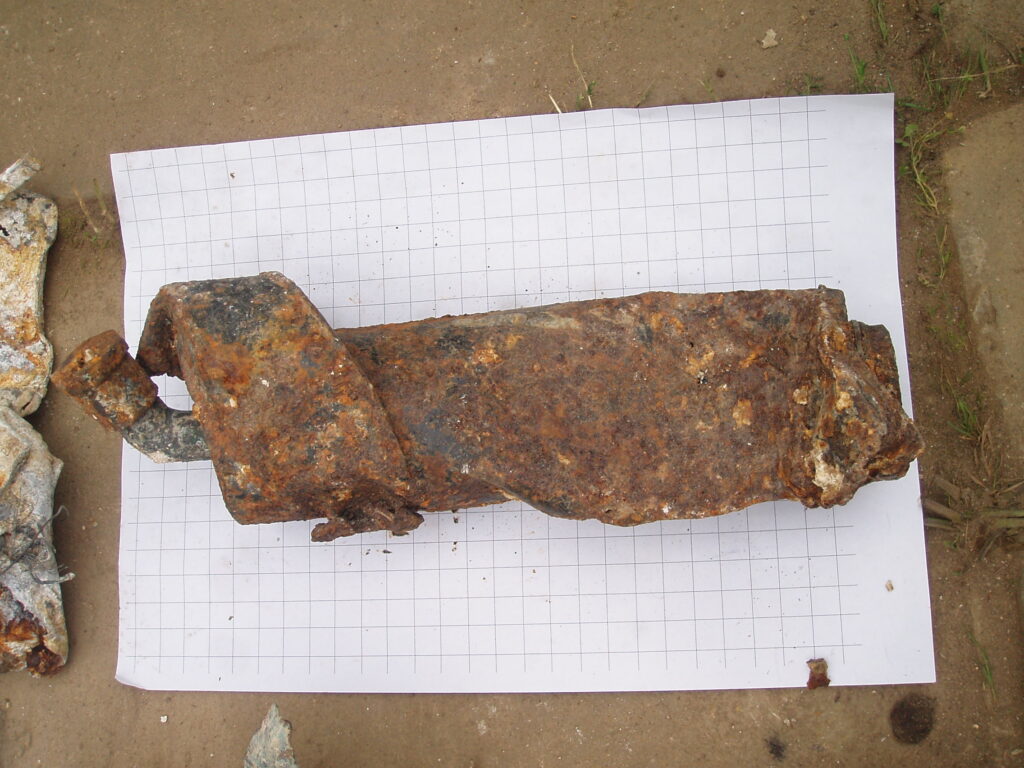
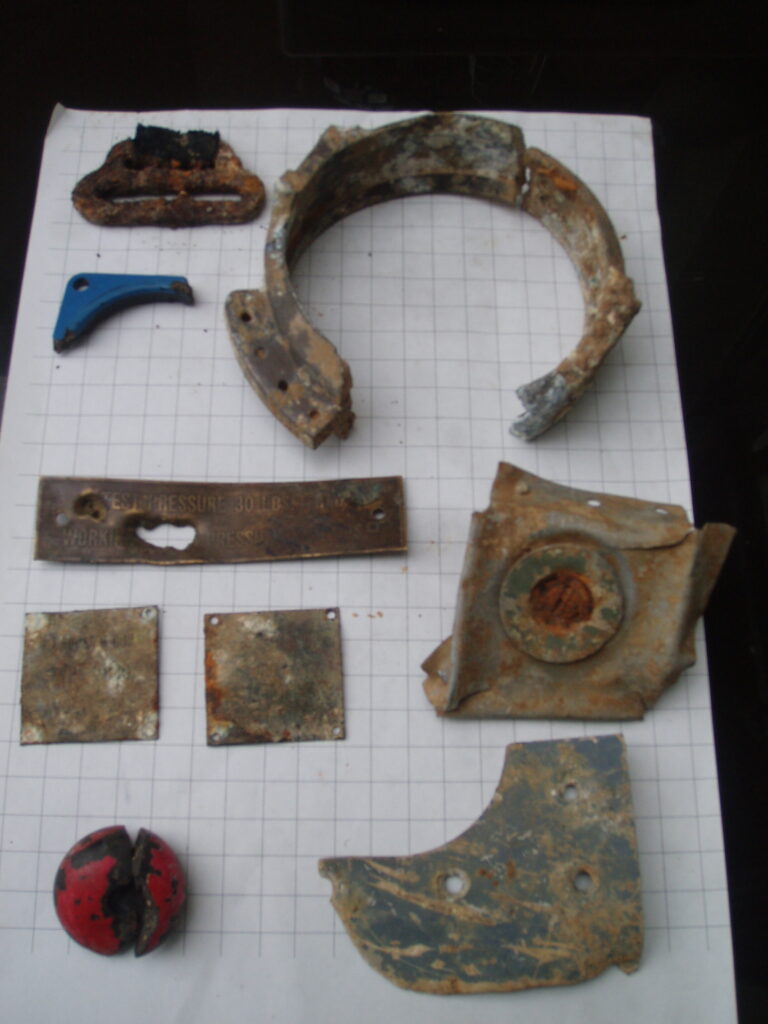
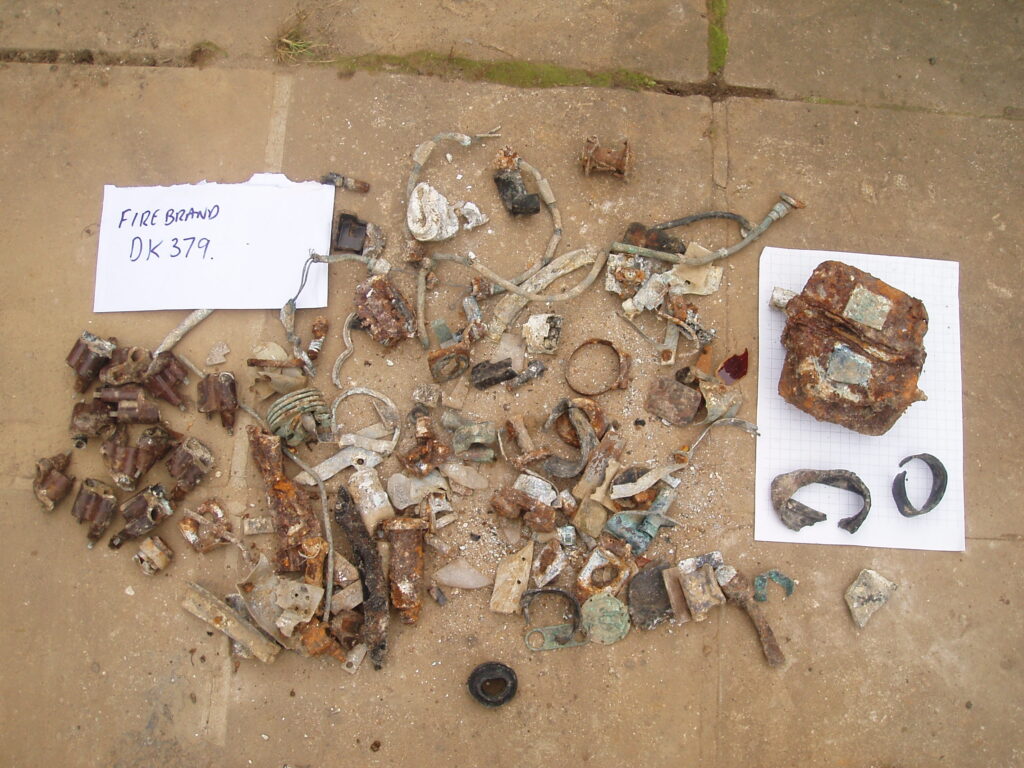
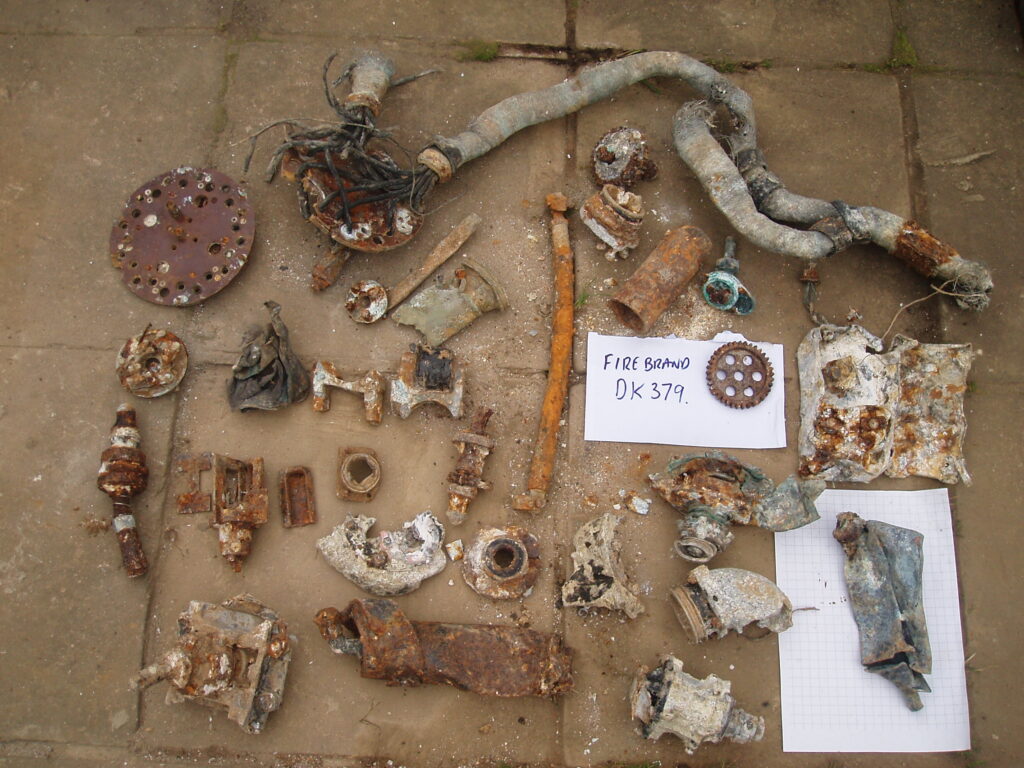
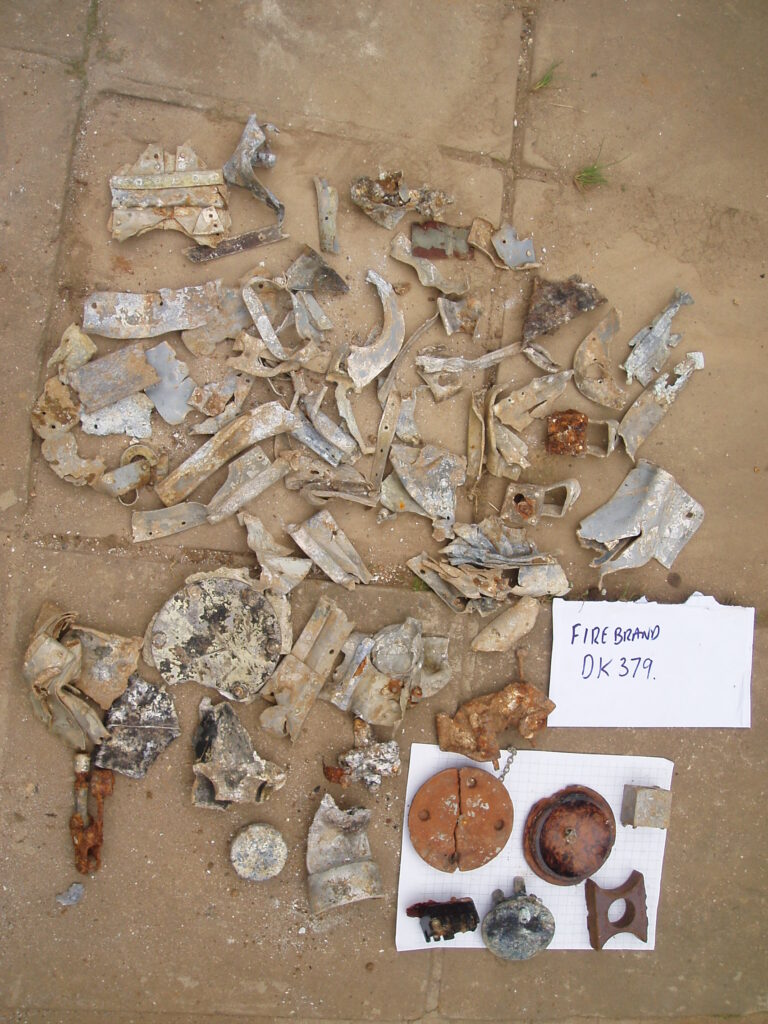
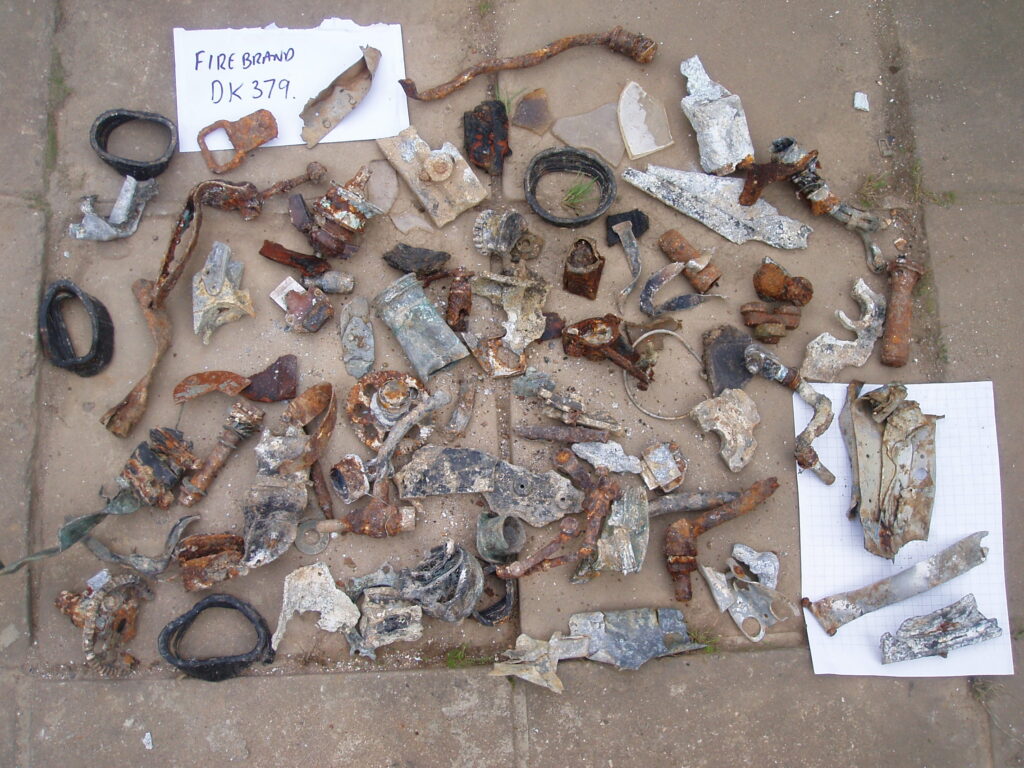
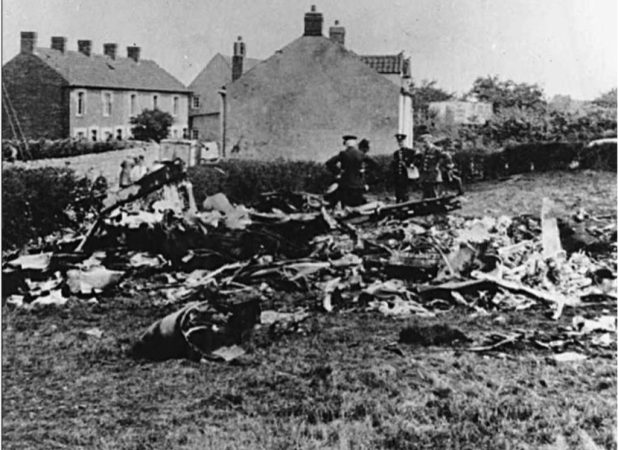
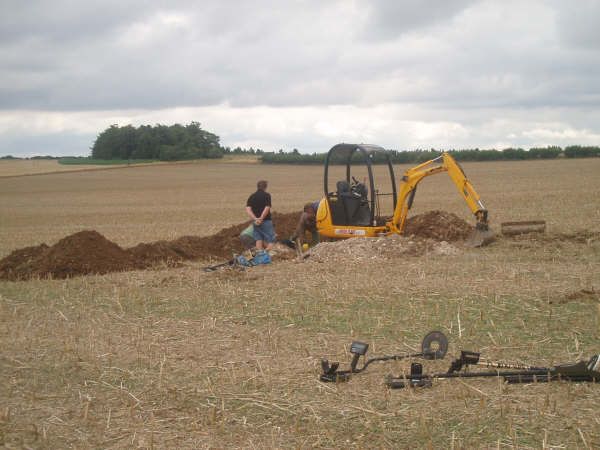
Despite being abandoned in a high-speed dive, the plane appears to have spun in, burned badly and
been thoroughly recovered at the time. Nothing penetrated the hard chalk by more than about three
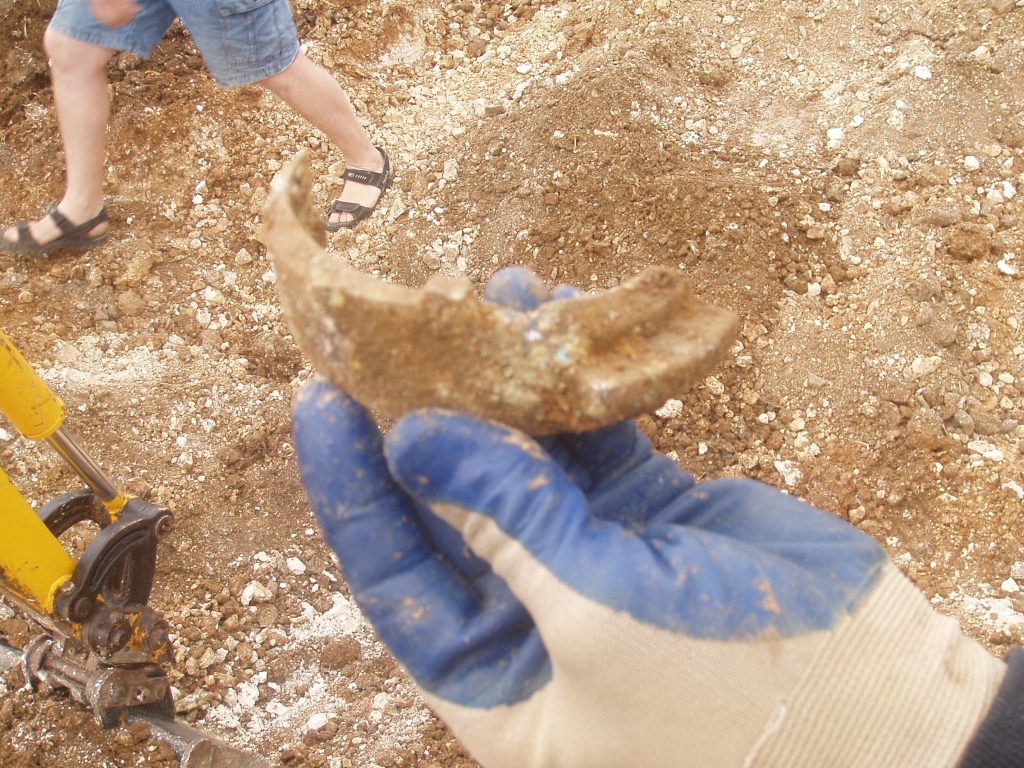
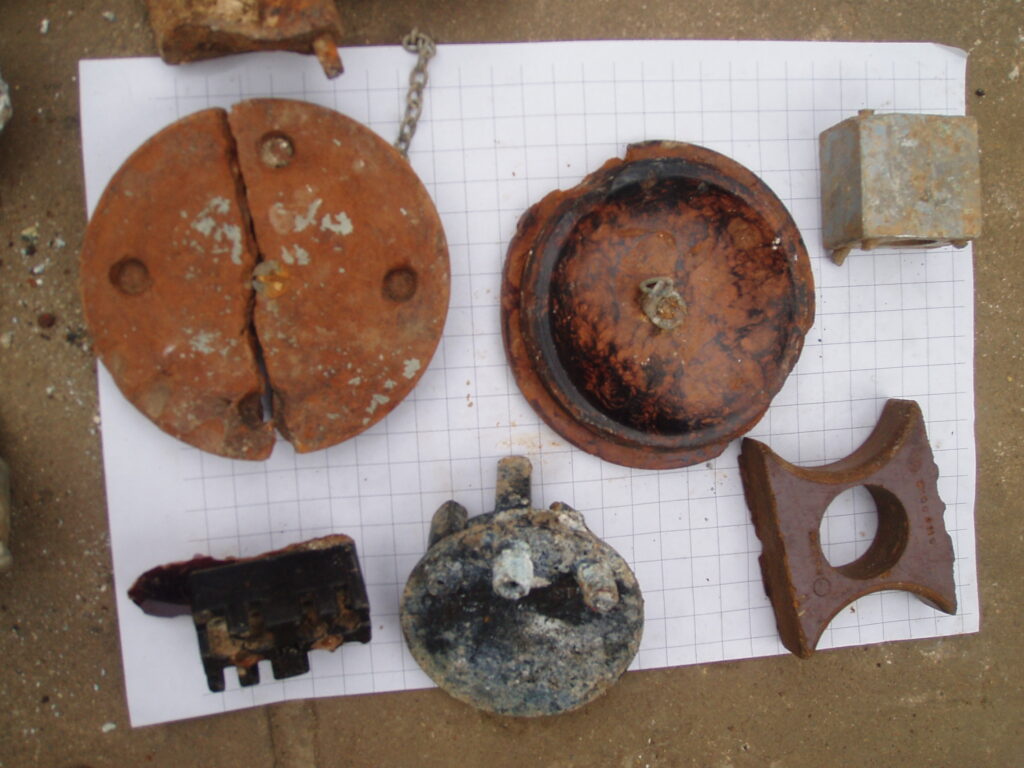
feet, and most of what did had long reduced to Daz-like corrosion. The biggest lumps were the
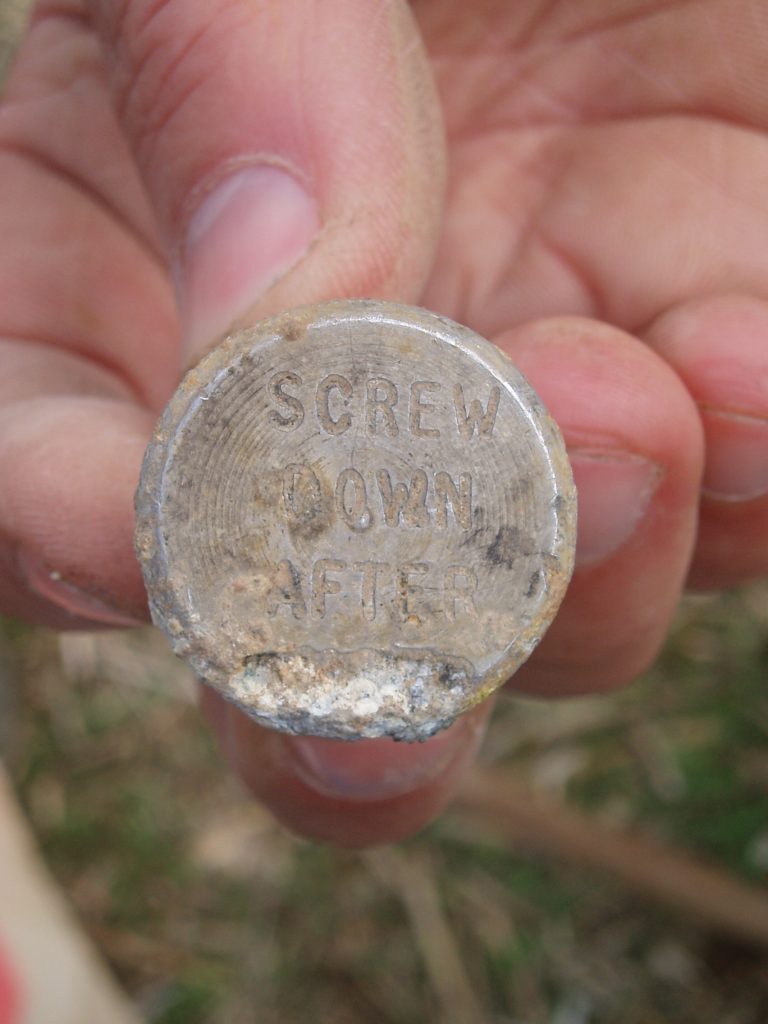
internals from the distributor and ignition harness. A fragment of the gunsight was found, and
cleaning the pieces off later revealed a complete RPM gauge.
Torrens-Spence wrote to Wingleader in 1980:
“The Firebrand was a useless case from the point of view of control, stability and manoeuvrability as
a fighter, which it was supposed to be. It was therefore decided to try it as a torpedo bomber.
A torpedo was hung on the aircraft, and it was sent to Boscombe Down for handling clearance. I was
quickly nervous that this would not do either, because as soon as one started to go downhill
at some 250 knots indicated, the whole caboodle started to shake. The symptoms were called
buffeting, indicating turbulent airflow somewhere.
“In these circumstances, the test pilot is supposed to push the speed up in steps as far as possible, to
put it in as comprehensive a report as possible. It is also possible that over a certain speed the trouble
might fare better again, which would be helpful information for the aerodynamicists.
I thought I would do just one more dive at a slightly higher speed, somewhere near 300 knots, if I
remember, but at this point, the thing broke.
“There was a wooden aerofoil on the tail of the torpedo, to control its flight after release. This came
off, not the torpedo itself, and hit the tailplane of the aircraft, making the thing so nose-heavy that
even hauling back with both hands, one couldn’t get the speed down to less than about 250 knots.
Consequently, I had to bail out, going pretty fast for those days, without ejection seats.”
Michael Torrens-Spence won many decorations during wartime service in the Mediterranean as a
pilot with the Fleet Air Arm, and in the course of his career, he held commissions in the Royal Navy,
the Royal Air Force and the Royal Ulster Constabulary. In November 1940, when on the aircraft
carrier ‘Illustrious’, he played a daring part in the Swordfish raid on Taranto, and in the following
spring, he played an even more significant role before the naval action off Cape Matapan by
torpedoing the Italian cruiser ‘Pola’. In his autobiography ‘War in a Stringbag’, Charles Lamb
observed of Torrens-Spence that his ‘innate nervousness always forced him to press home his
attacks to a suicidal degree’.