orders@wingleader.co.uk
Junkers Ju 87 H
Werknummern (serial): 2322
I./SG 103 ( I. / Schlachtgeschwader 103)
Pilot: Unkown
Student: Fhr. Horst Hübscher (killed)
Date: 13th April 1944
Place: Valmestroff, France
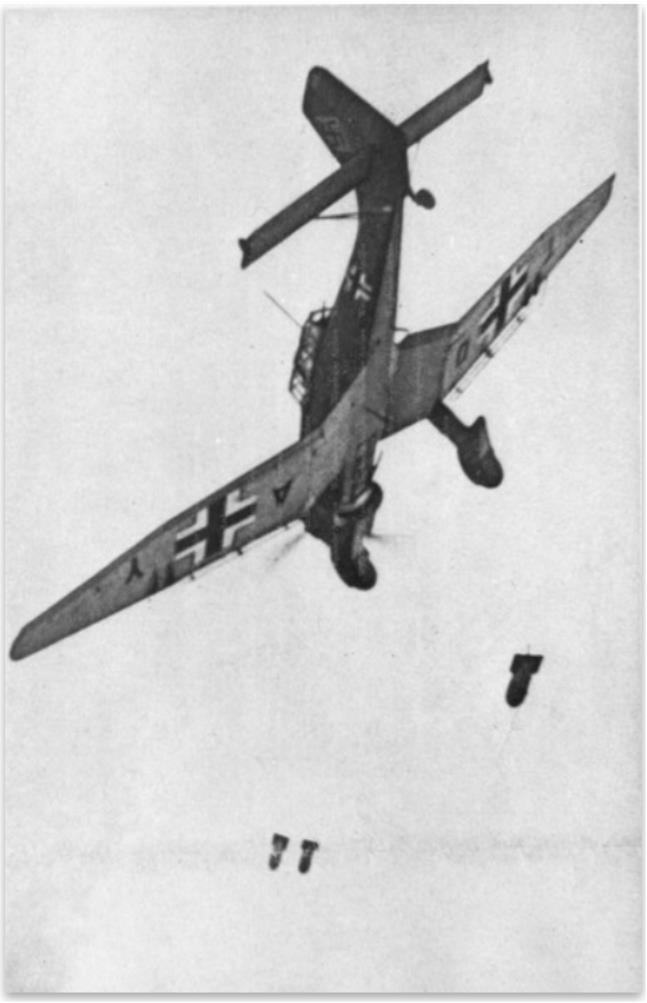
The iconic image of the Battle of France and Dunkirk is the diving Stuka. During planning for the BBC TV series Dig 1940, producer John Hayes-Fisher of 360 Productions asked, “Would it be possible to find one of those?”
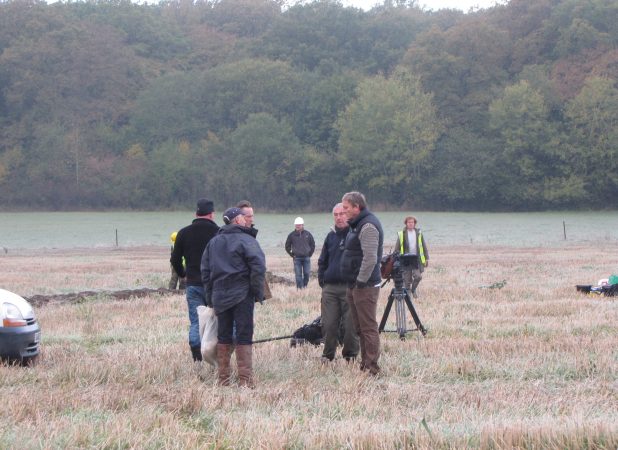
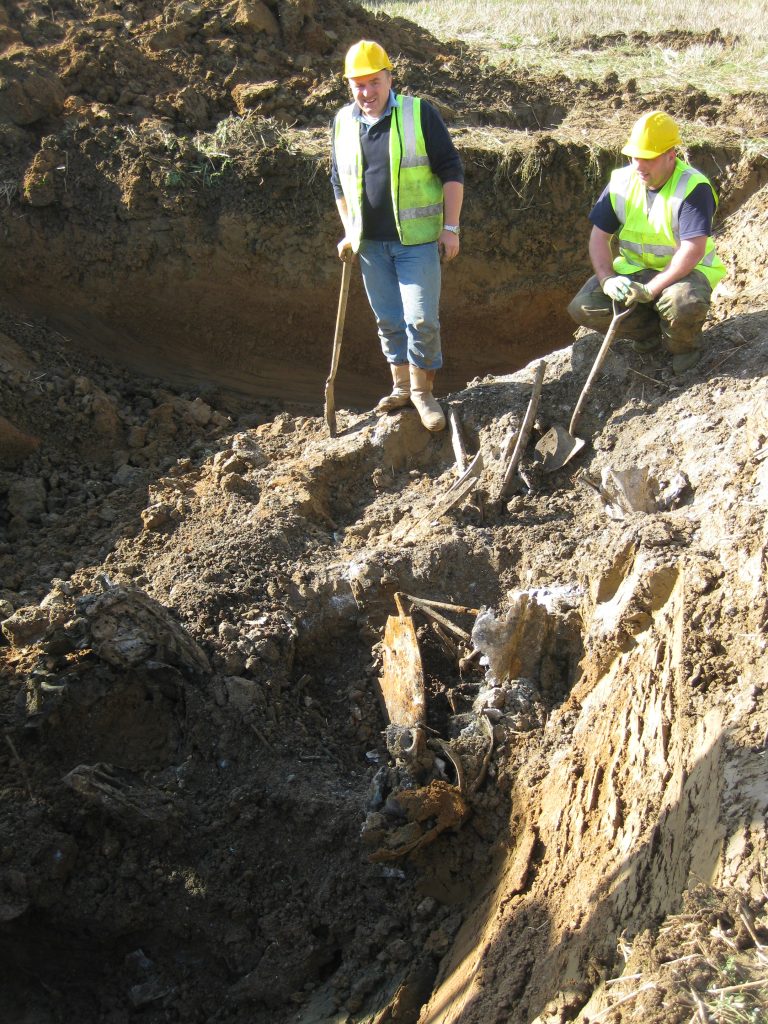
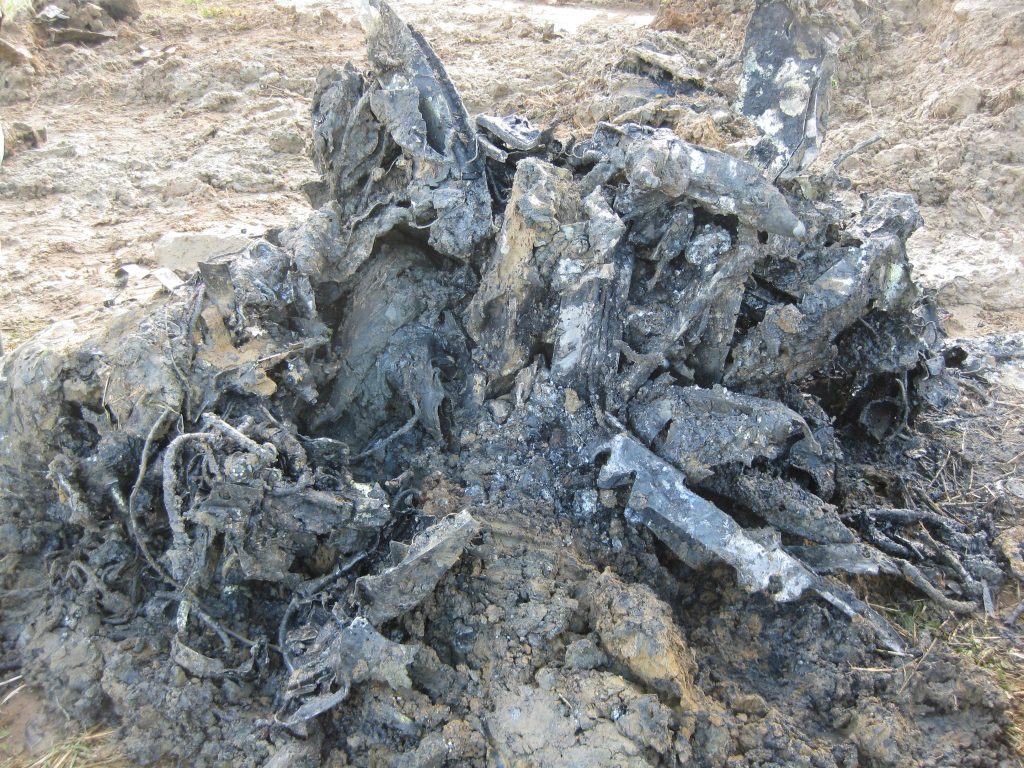
As luck would have it, Jean-Michel Goyat heard of a farmer in Valmestroff, northeast France, who had been searching for one. Located near the Luxembourg/German border, it was in an area which had seen action during the Phoney war (not phoney for the Armee de L’Air and RAF) and the Blitzkreig. Although the farmer had been told which field the Stuka had crashed in, he had been unable to locate the exact site. During a pre-filming reconnaissance, the impact point was soon established with the aid of a deep seeking magnetometer. Arrangements were then made to hire machinery and excavate the aircraft.
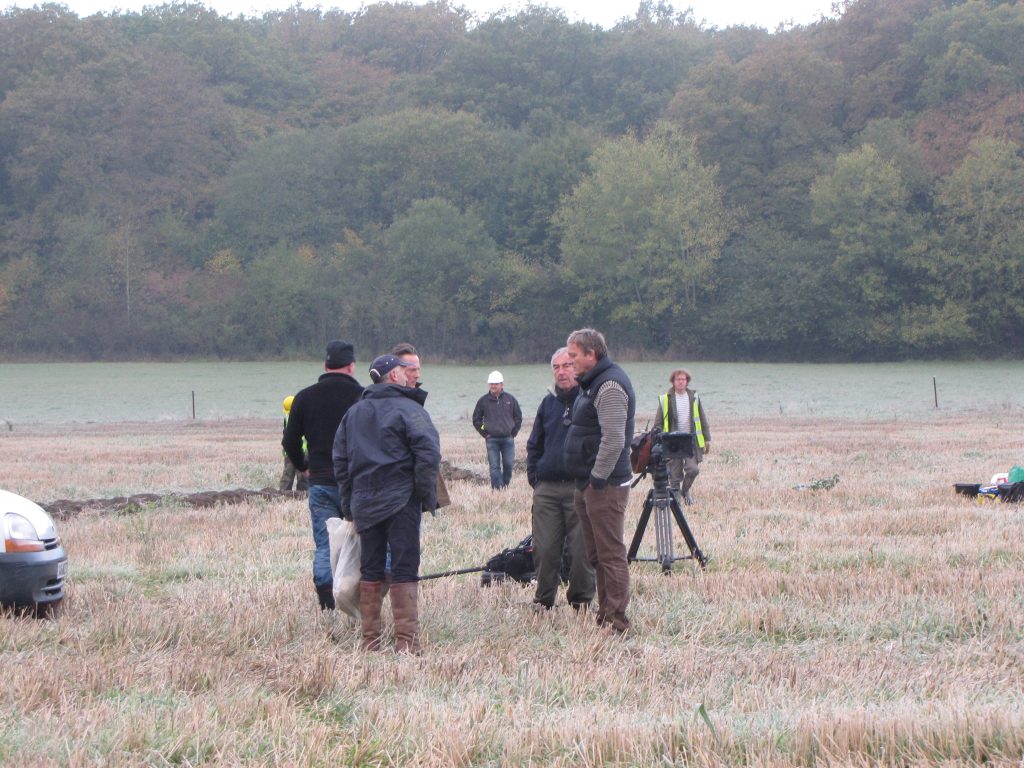
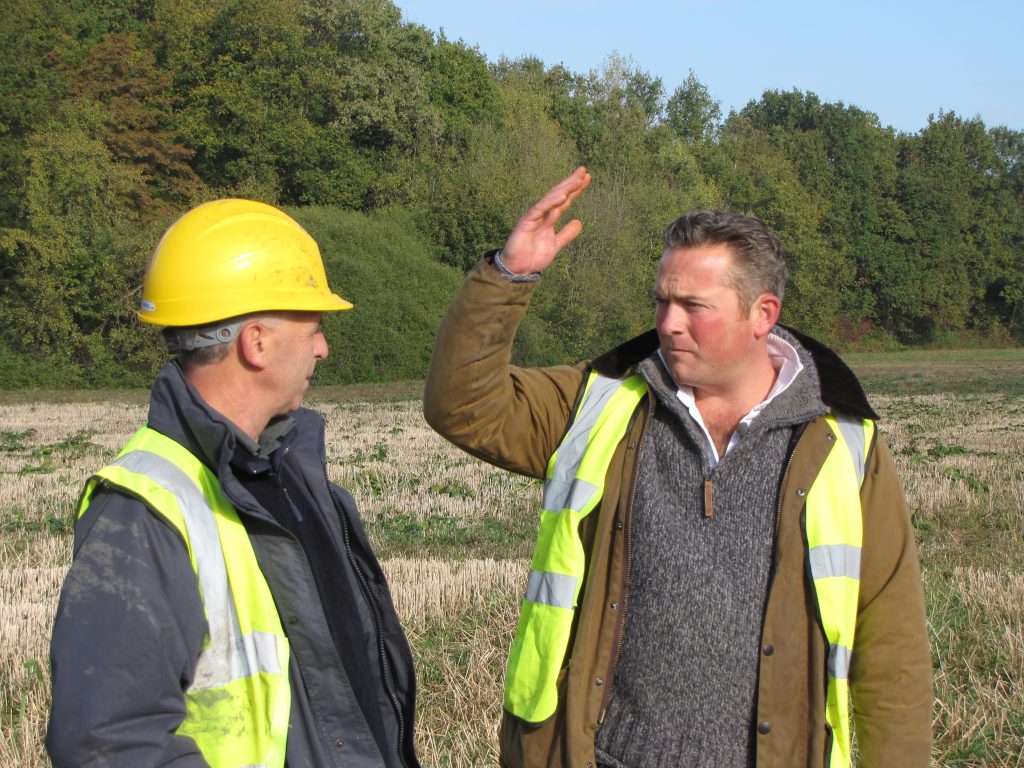
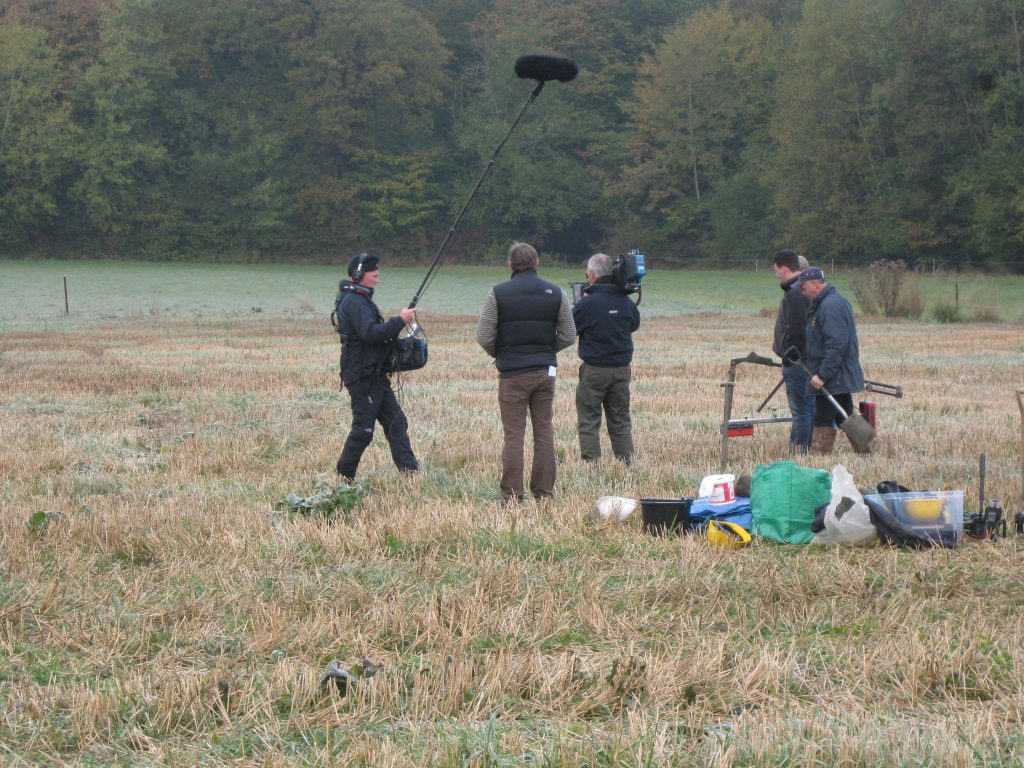
With filming underway, a metal detector search quickly revealed a wing mounted bomb rack near the surface. Jean-Michel, the Stuka expert, identified it as post 1940 manufacture. Finding a set of ball oxygen bottles quickly confirmed the aircraft certainly wasn’t involved in the Battle of France.
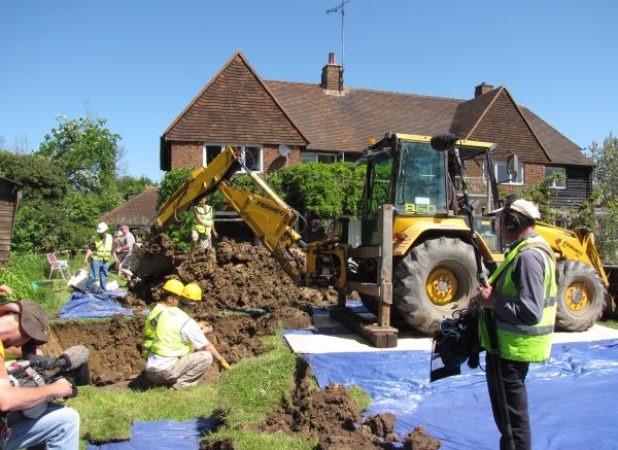
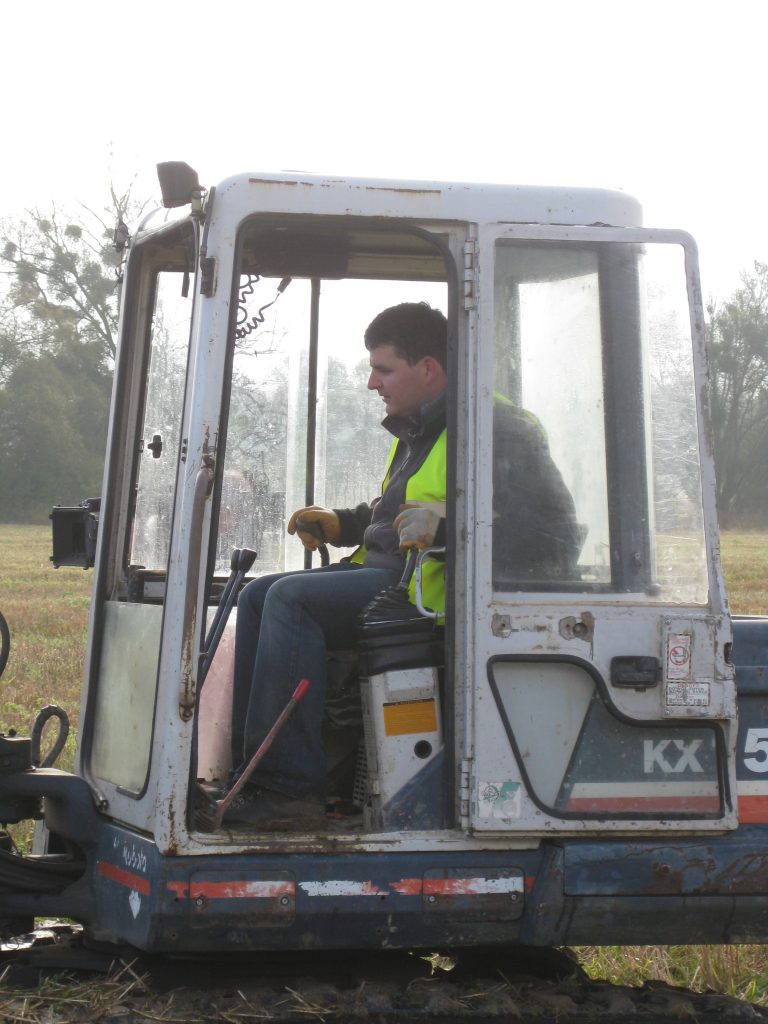
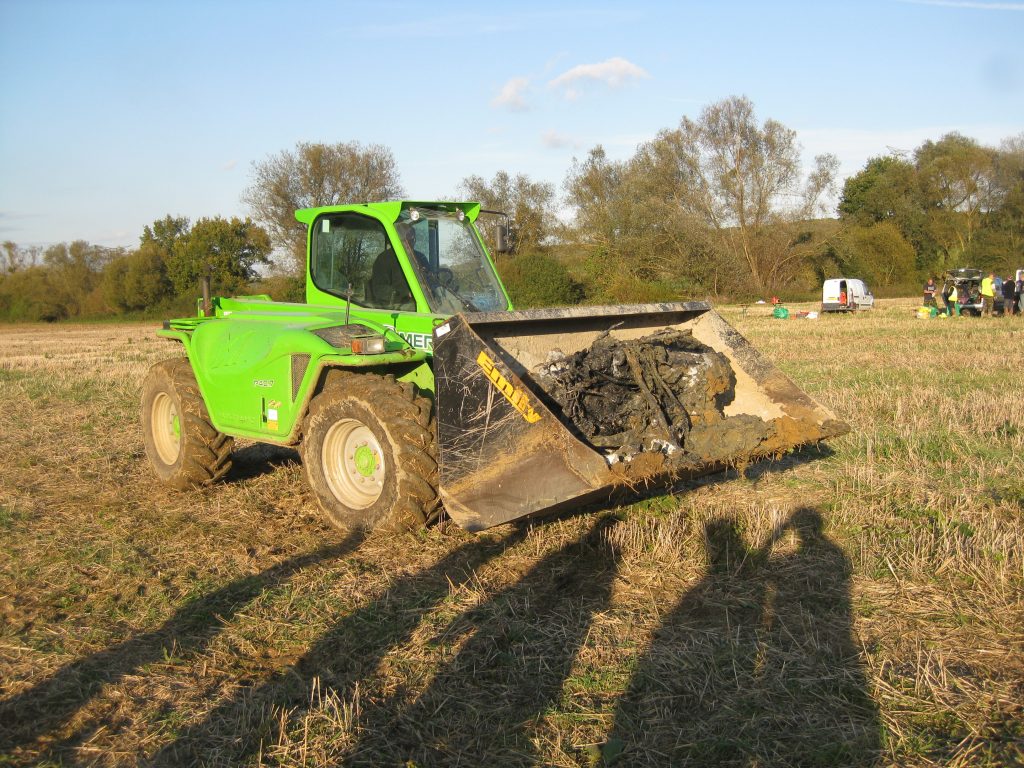
With initial TV footage ‘in the can’, the excavator arrived and began the hard work of the main recovery. Unfortunately, the digger driver’s wife also arrived. Having heard he was digging up a German bomber, she expressly forbade her husband to go anywhere near it, for fear of becoming a widow. Gareth came to the rescue, as it turned out French excavators work much the same as British ones.
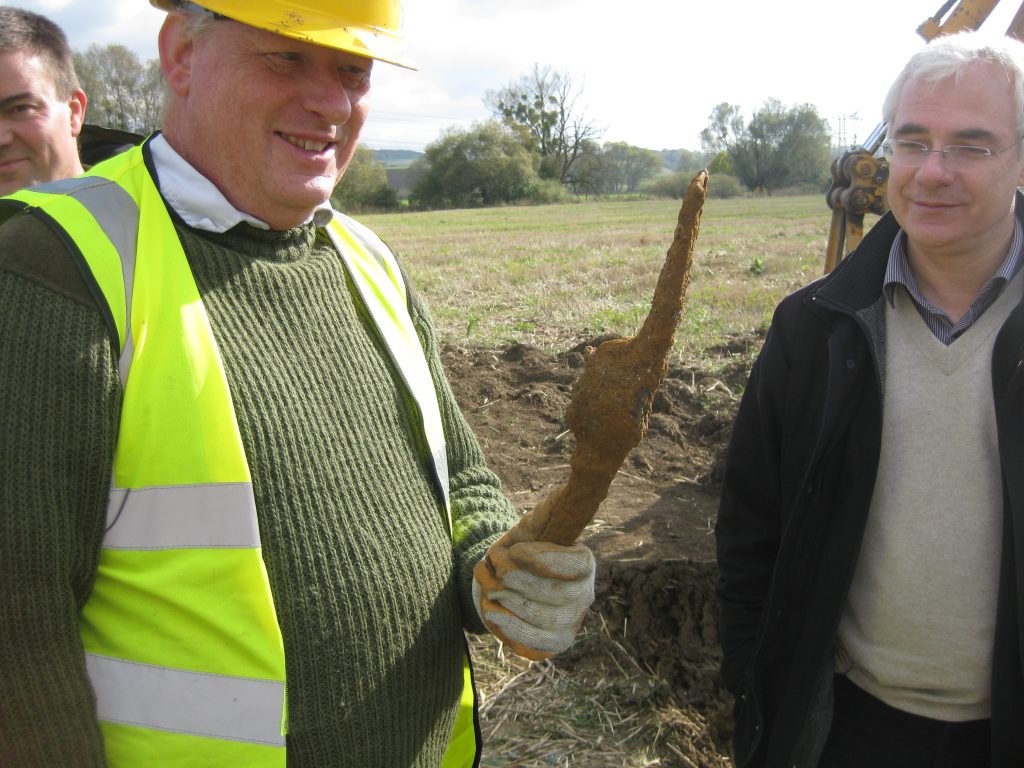
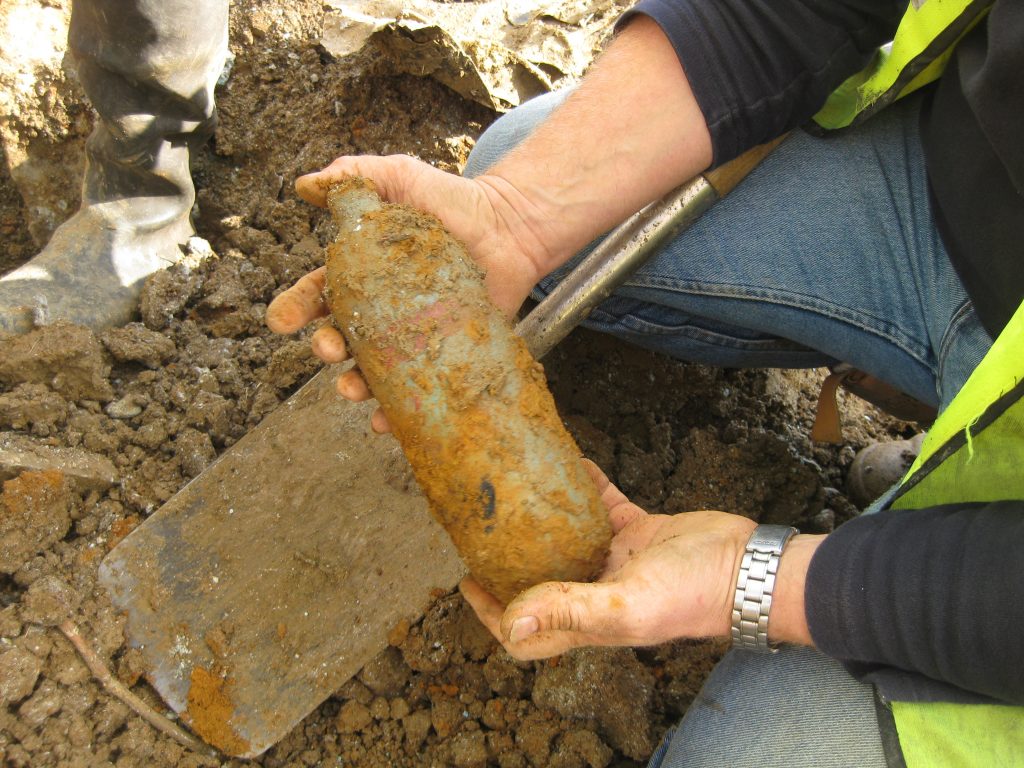
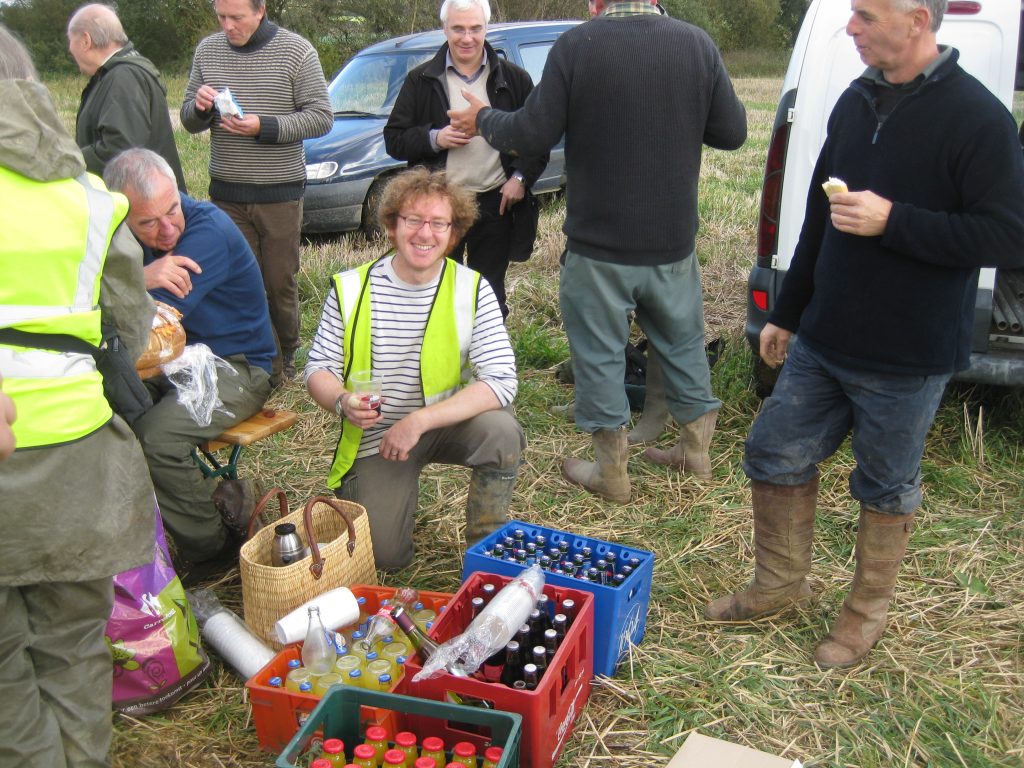
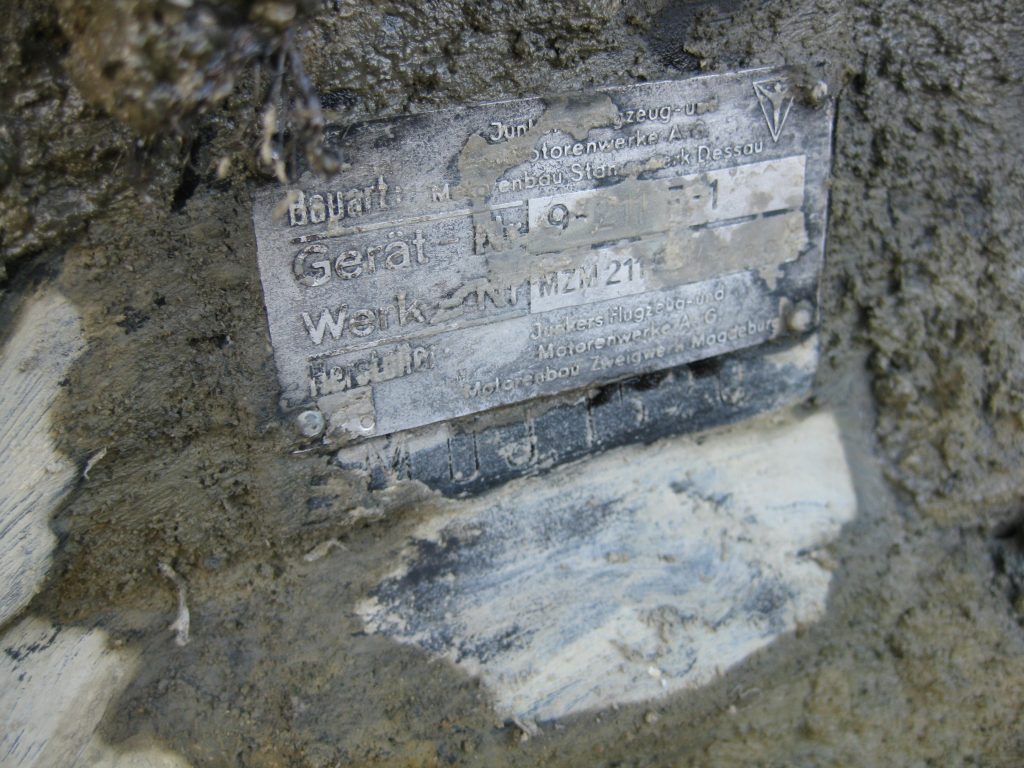
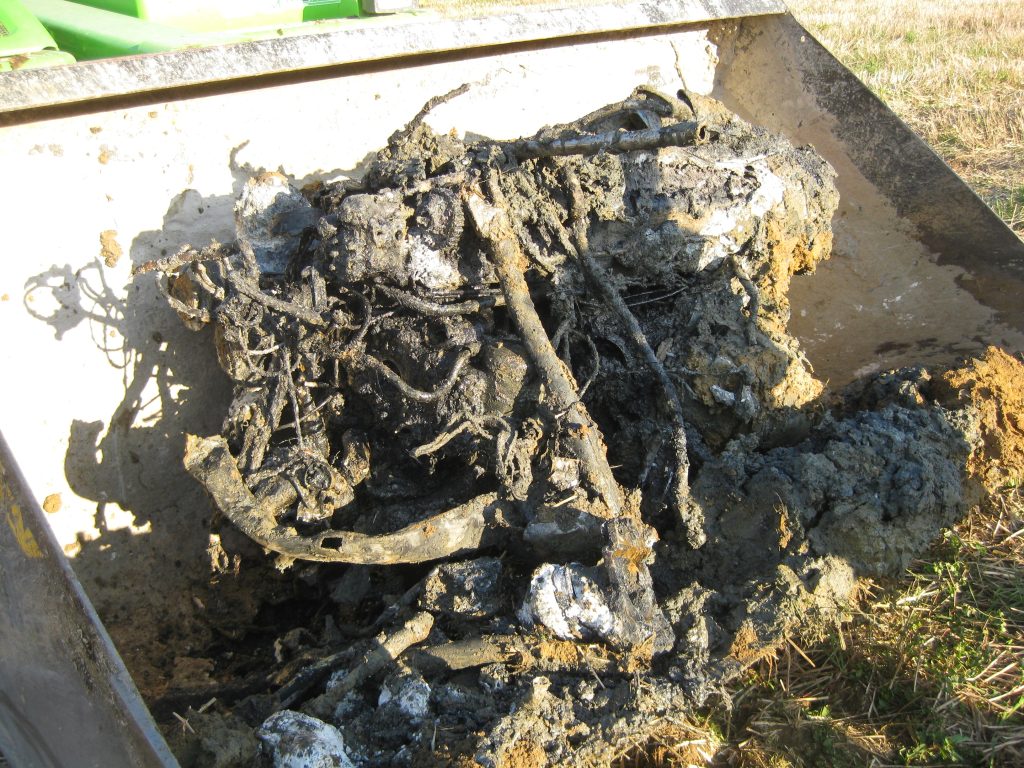
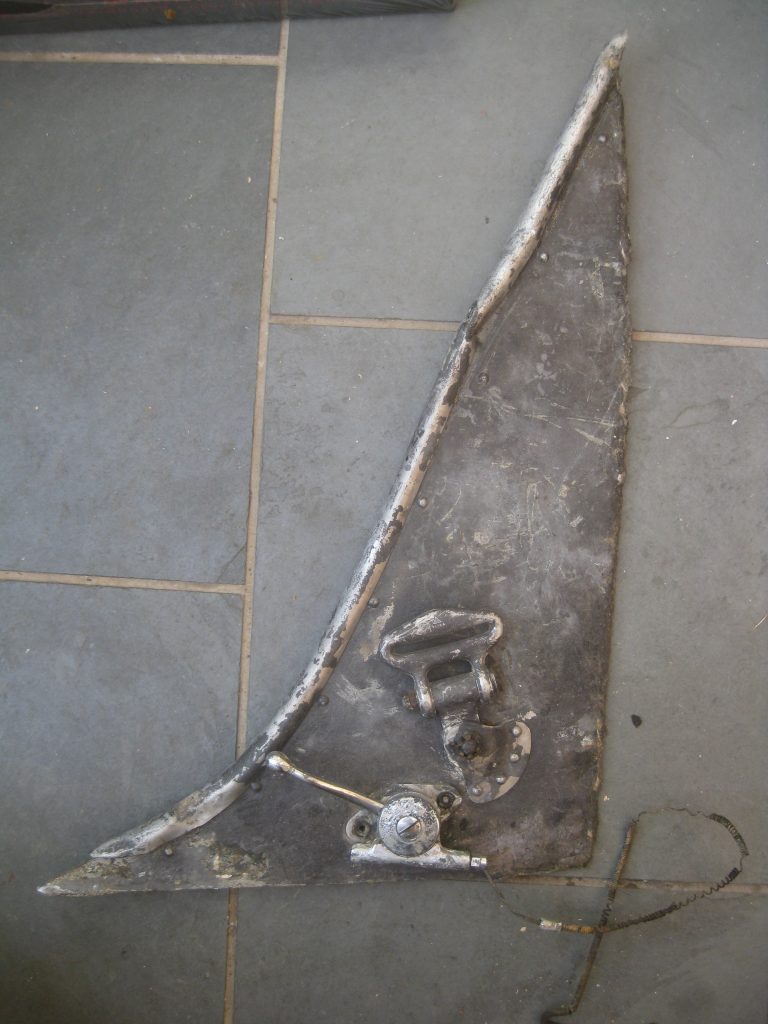
A large amount of wreckage was recovered, starting with rear cockpit parts, radio rack and the gunner’s seat. Remains of the control column also emerged, surprisingly behind the pilot’s heavily armoured seat. With that removed, the majority of pilot’s cockpit came out. Rudder pedals, throttle, instruments, and another control column! After a pause for a fully sumptuous lunch on trestle tables at the side of the field, provided by the mayor, the engine was recovered.
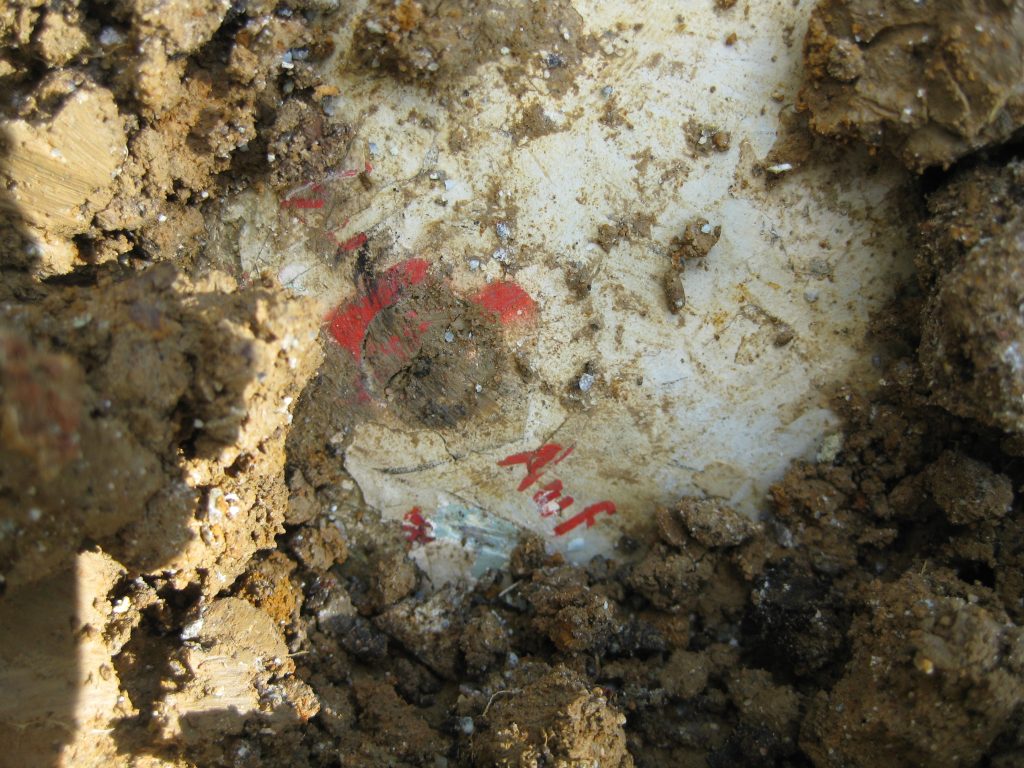
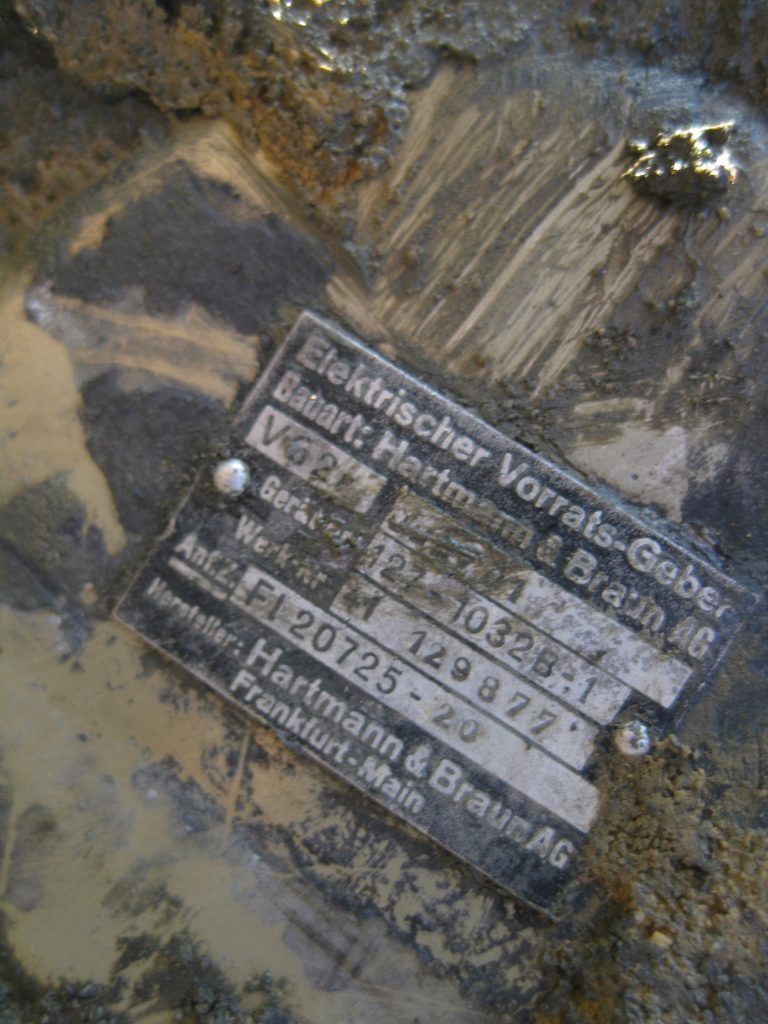
A number of parts had possible Werk Numbers painted on them, but none of them matched. More detailed research revealed the Stuka was an ‘H’ trainer, one of a very few made from repurposed Ju87D sections, with an Arado 196 cockpit interior grafted into the gunner’s position. This was born out by an eyewitness who, during the war, had watched Stukas training nearby. They circled at high altitude, making practice dive attacks, then climbing to re-join the ring. This one had dived down and not come up again.
The student in the aircraft was Horst Hübscher, born on 25th November 1924 in Berlin-Neukölln. He bailed out at too low an altitude and was killed. Hübscher is buried at Niederbronn-les-Bains, France (Block 38, Reihe 10, Grab 266). The instructor is unknown, either because he was not aboard the aircraft or because he bailed out safely. (Horst would have been 20, so likely too young to have been the instructor)
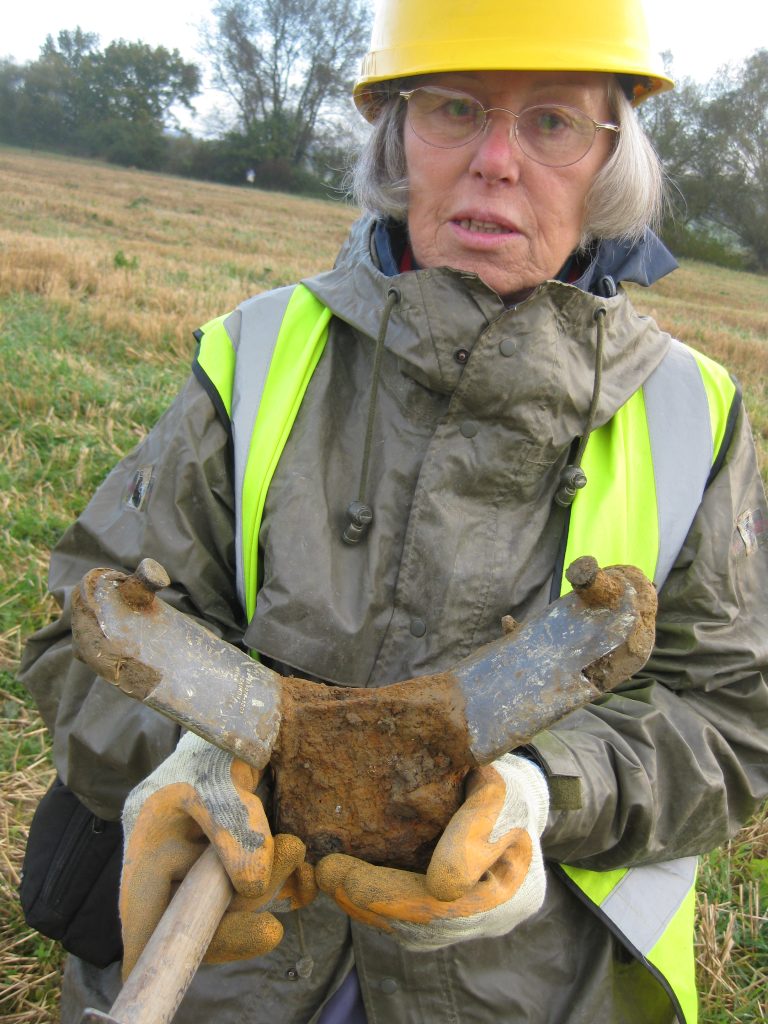
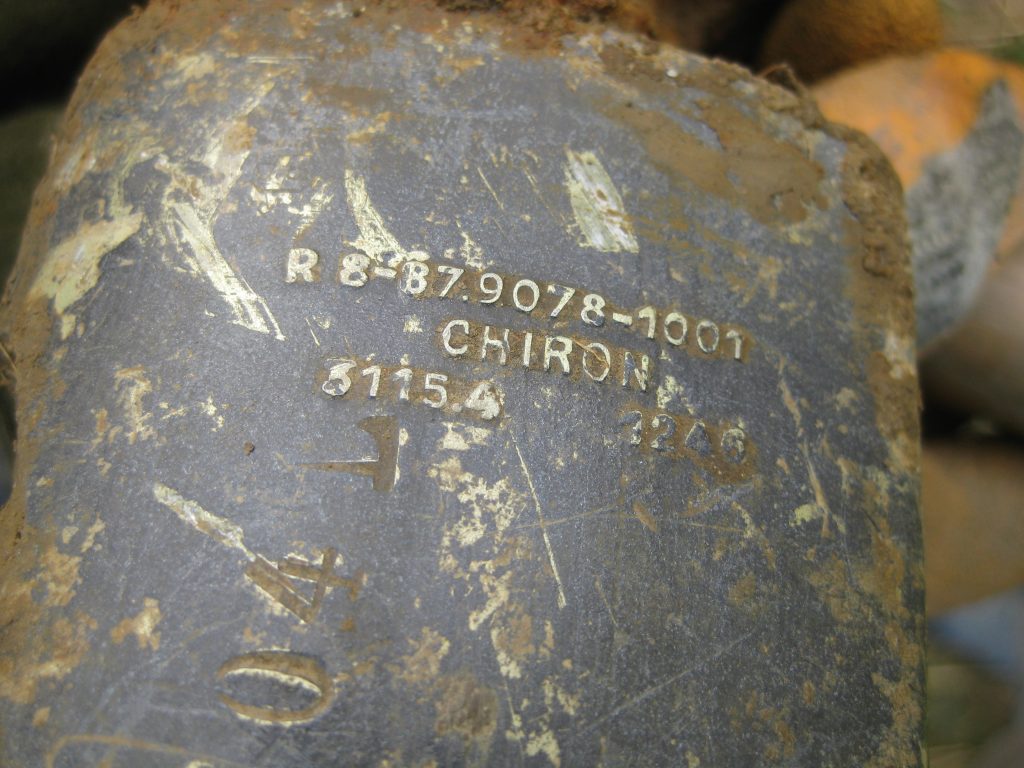
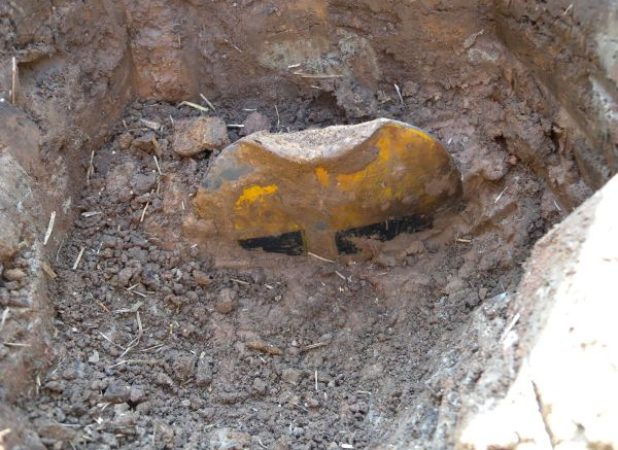
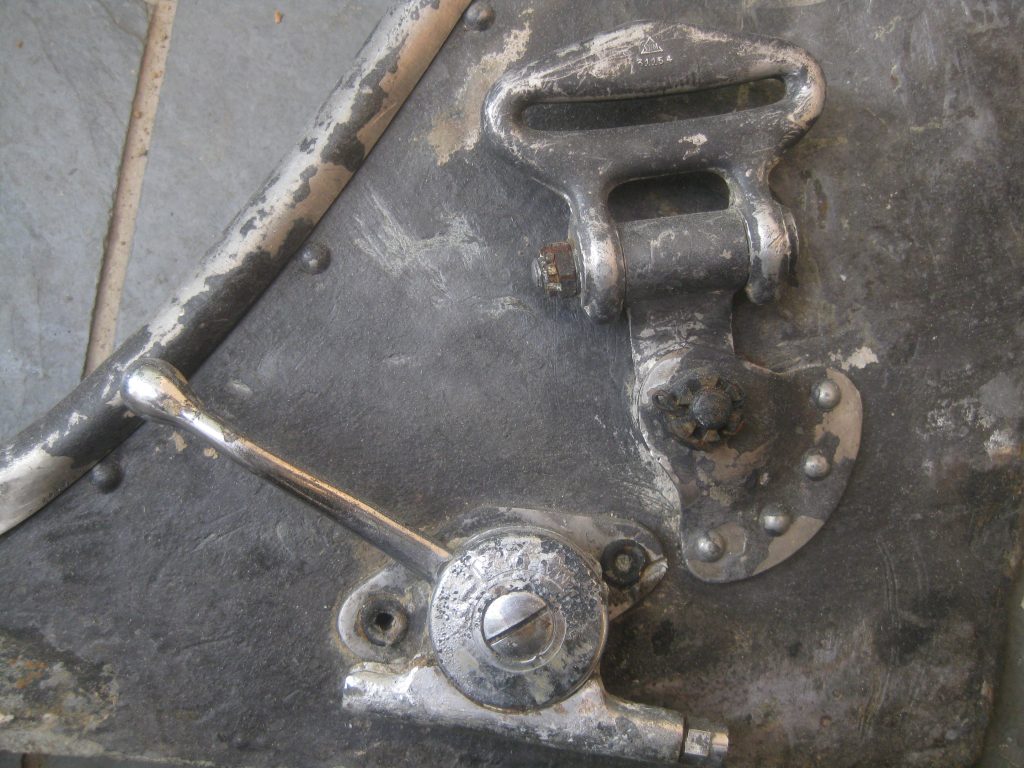
The wrong bomb rack. A design too late for a Blitzkreig Stuka. Note the German part numbering system. R8-87, Ju-87!
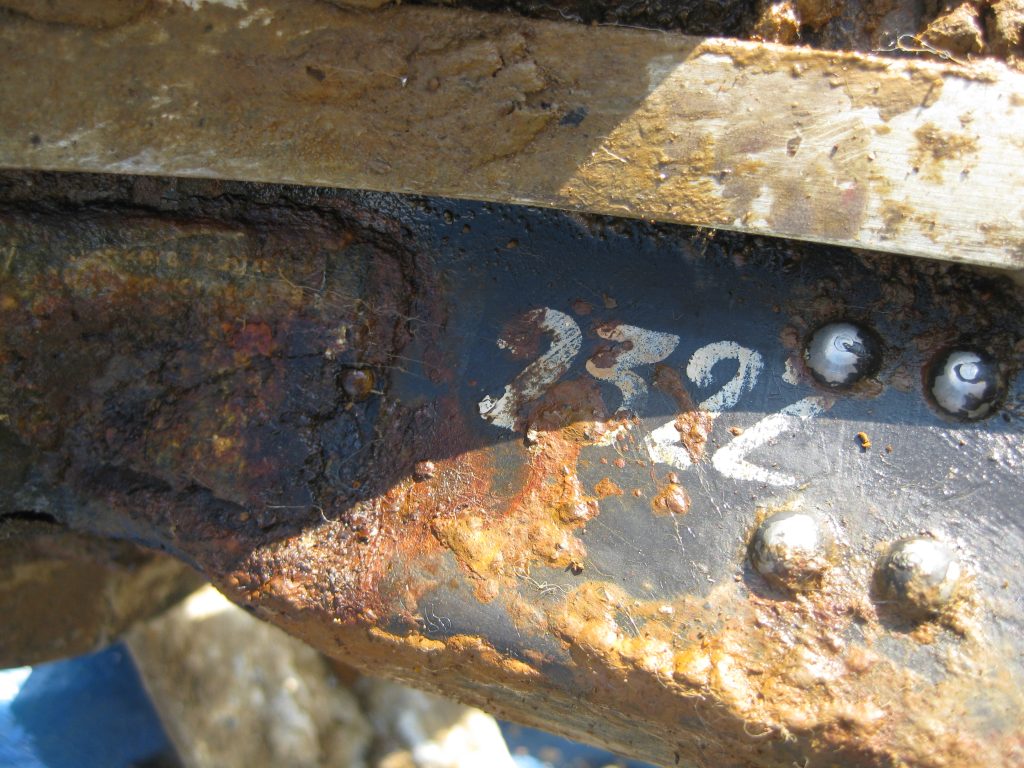
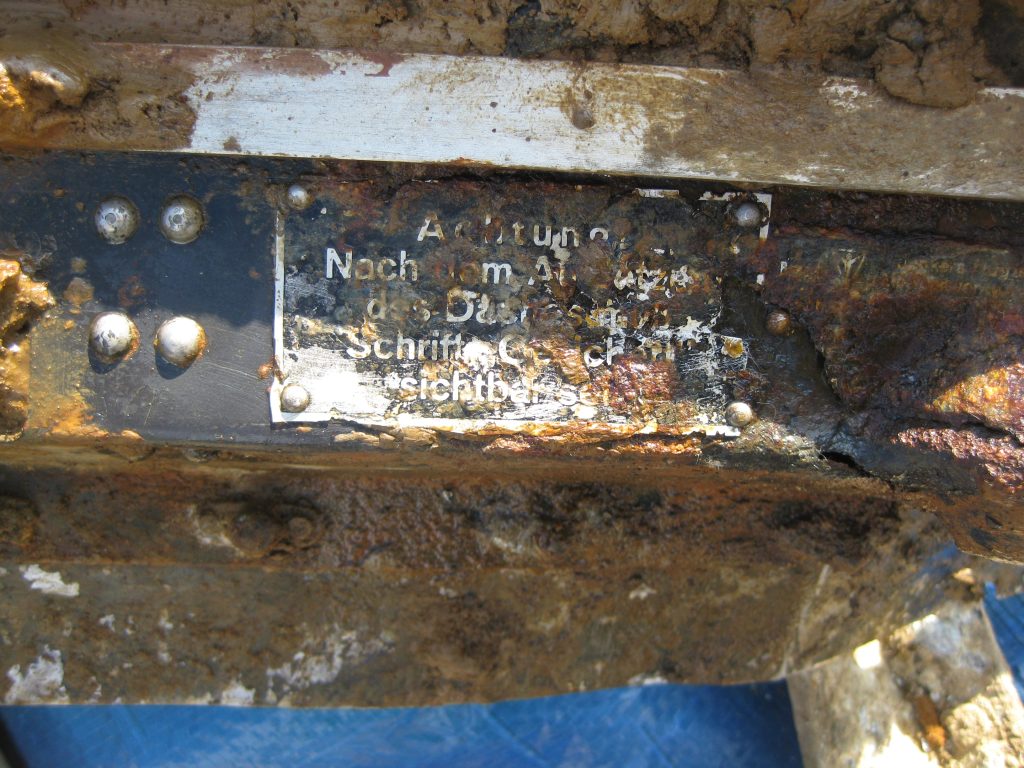
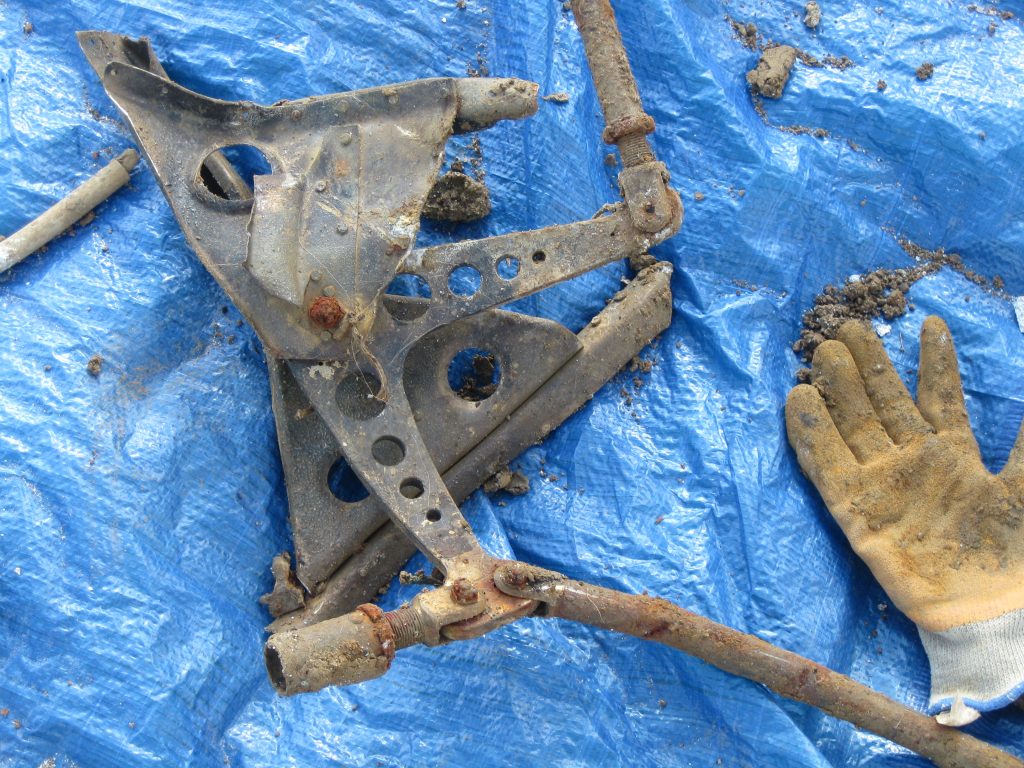
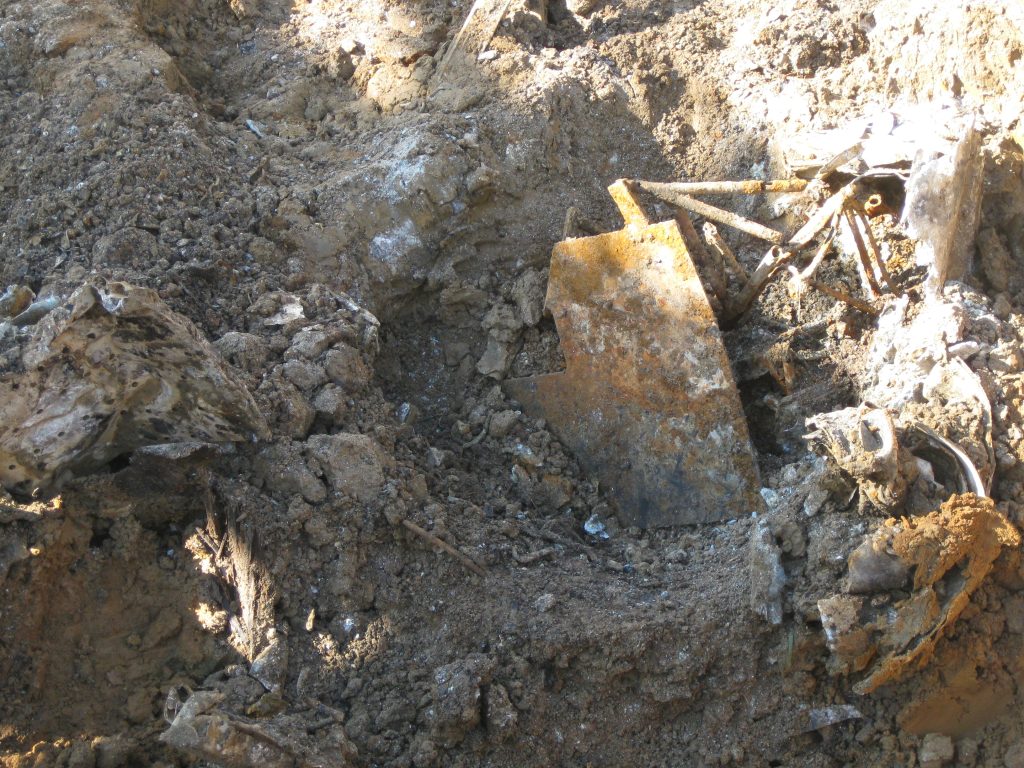
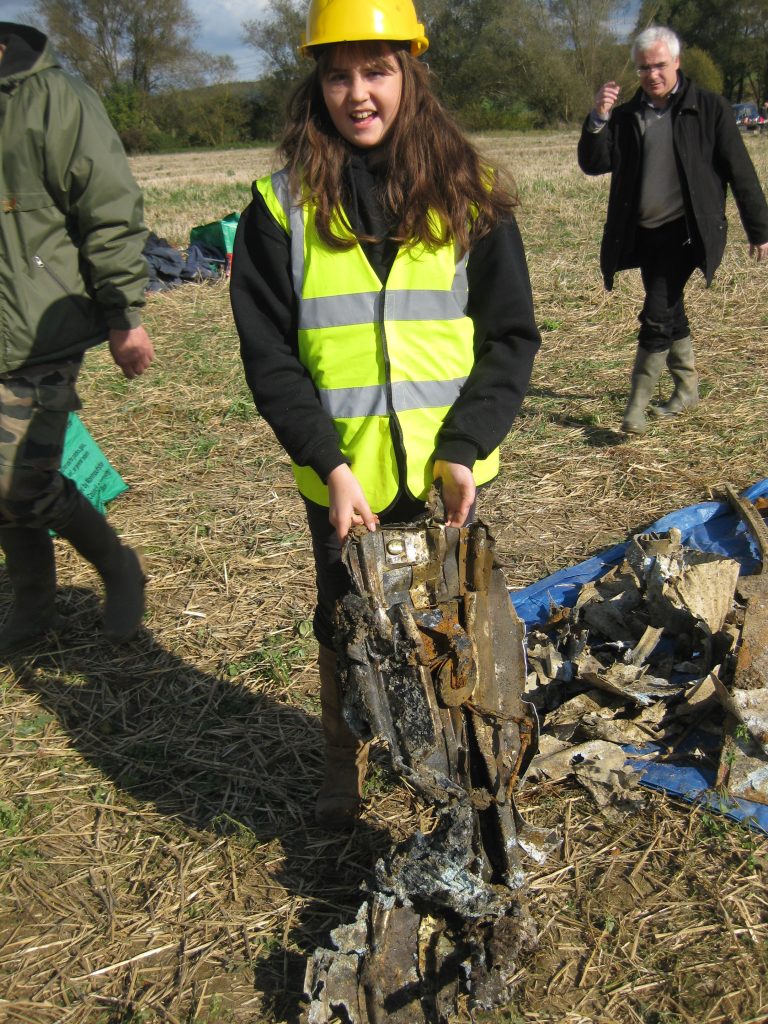
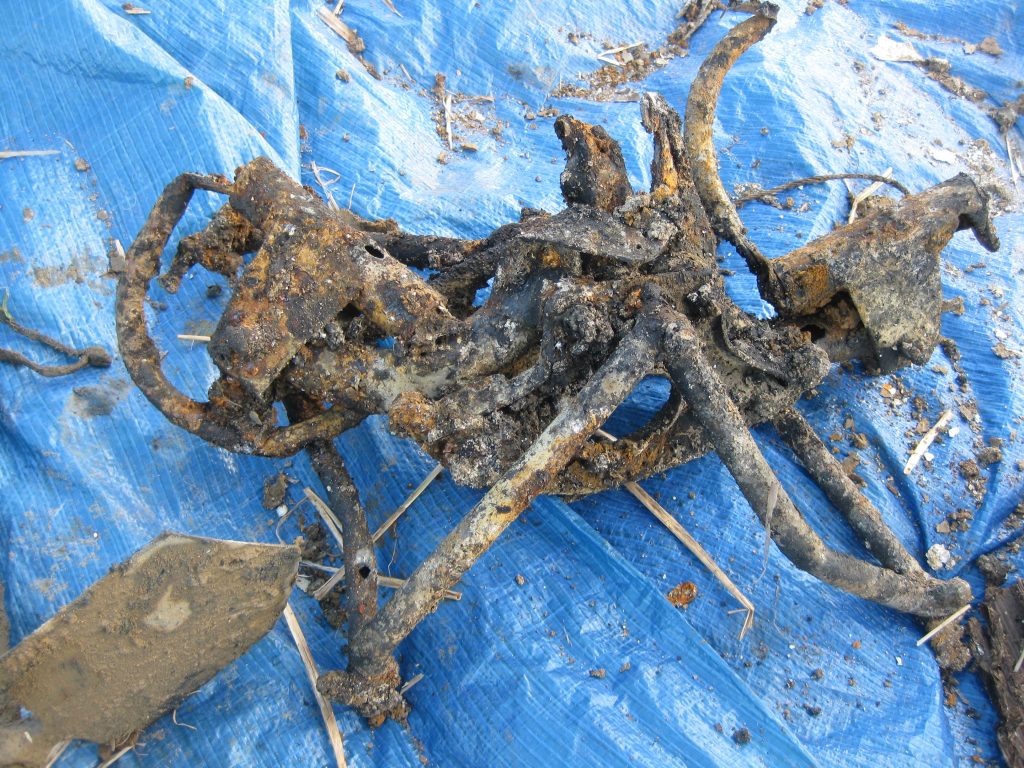
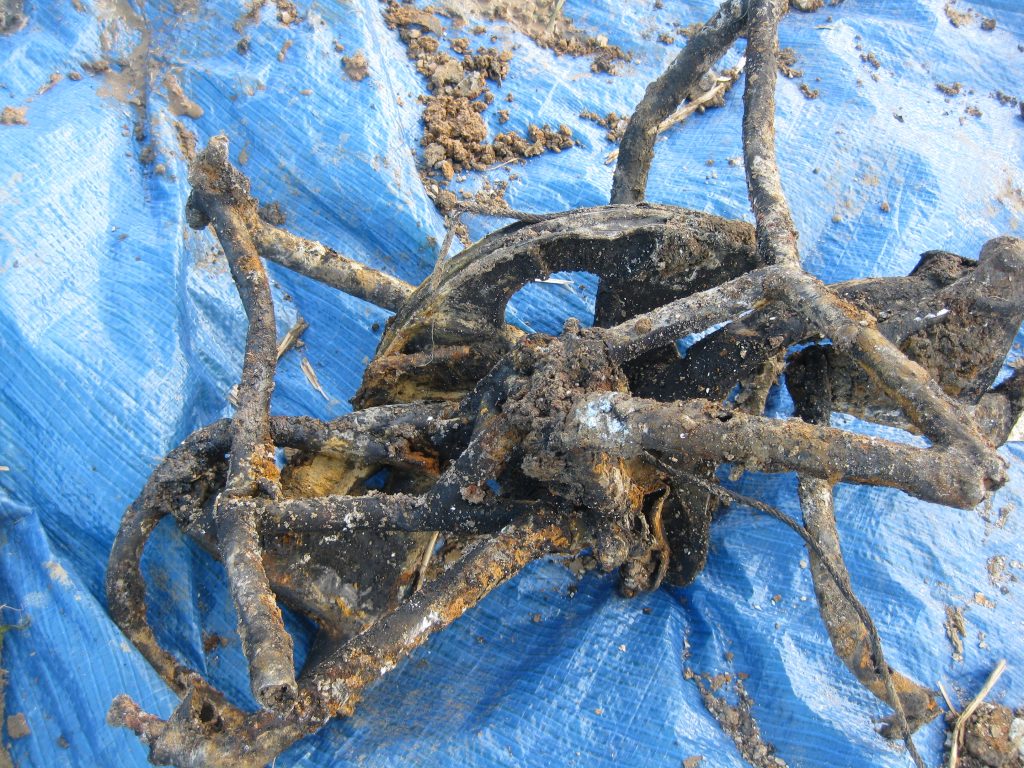
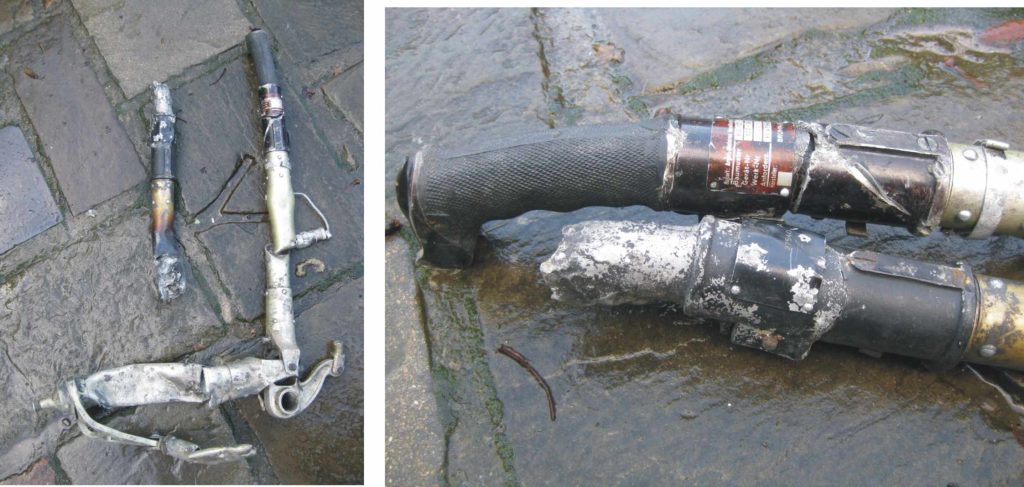
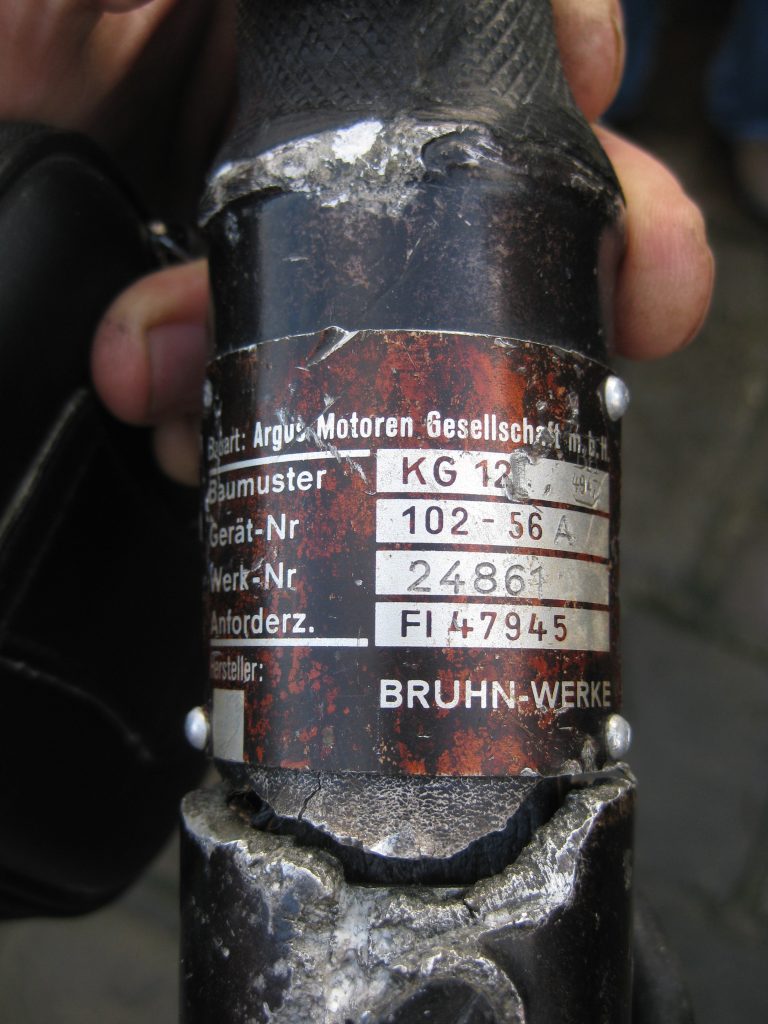
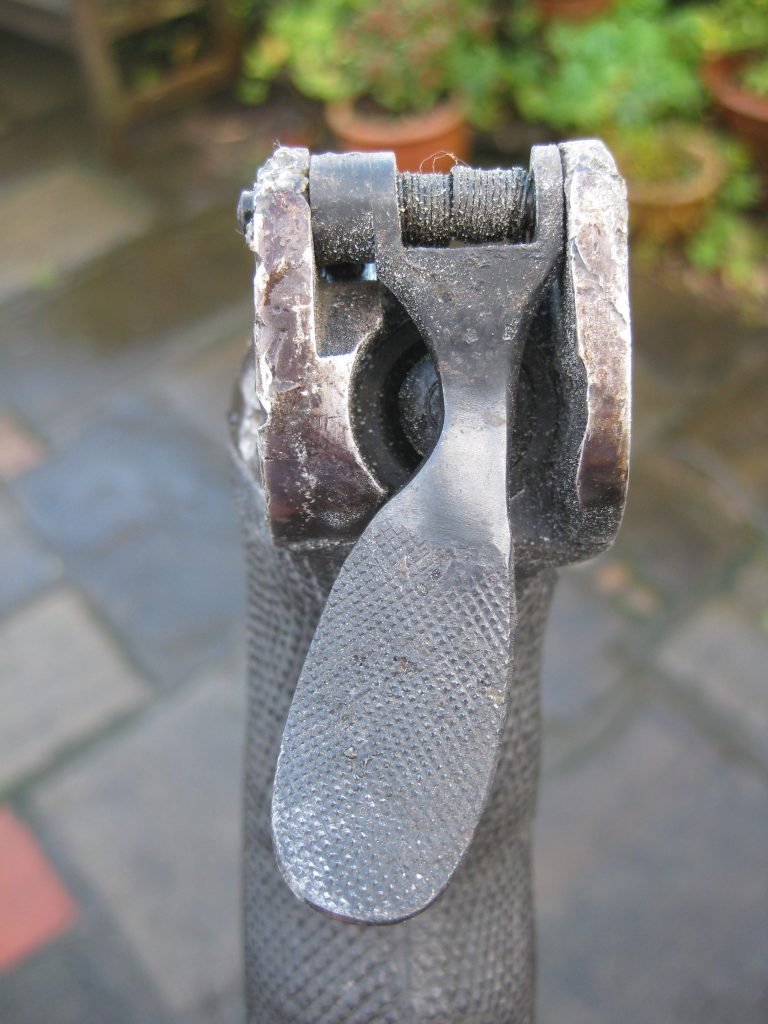
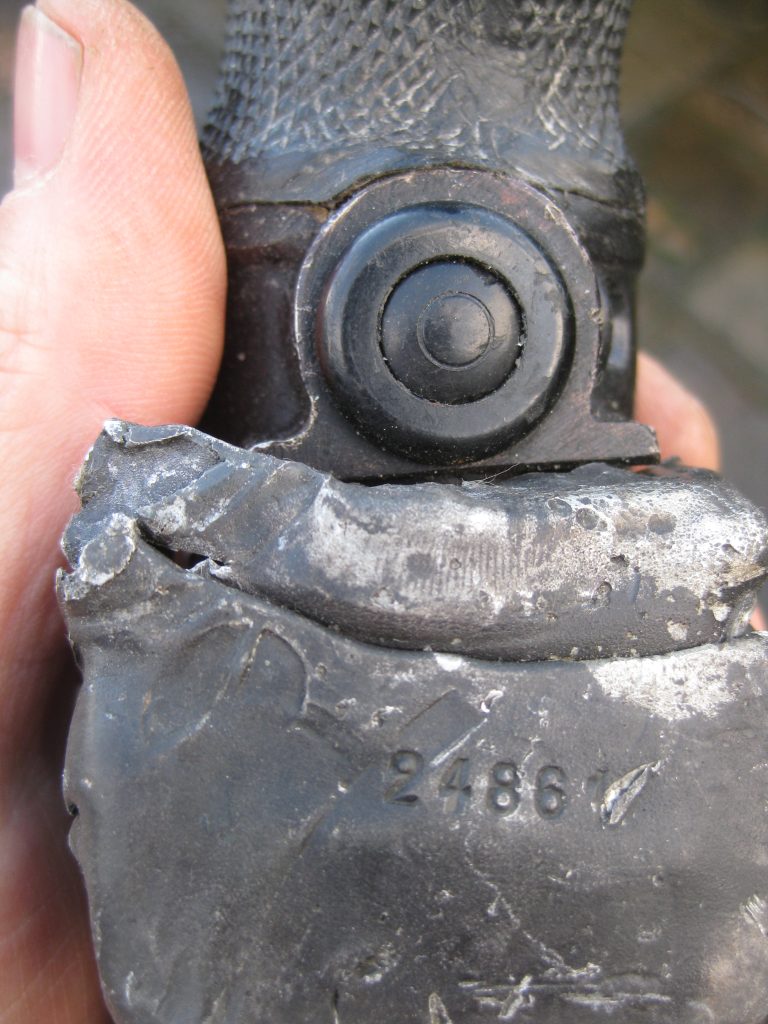
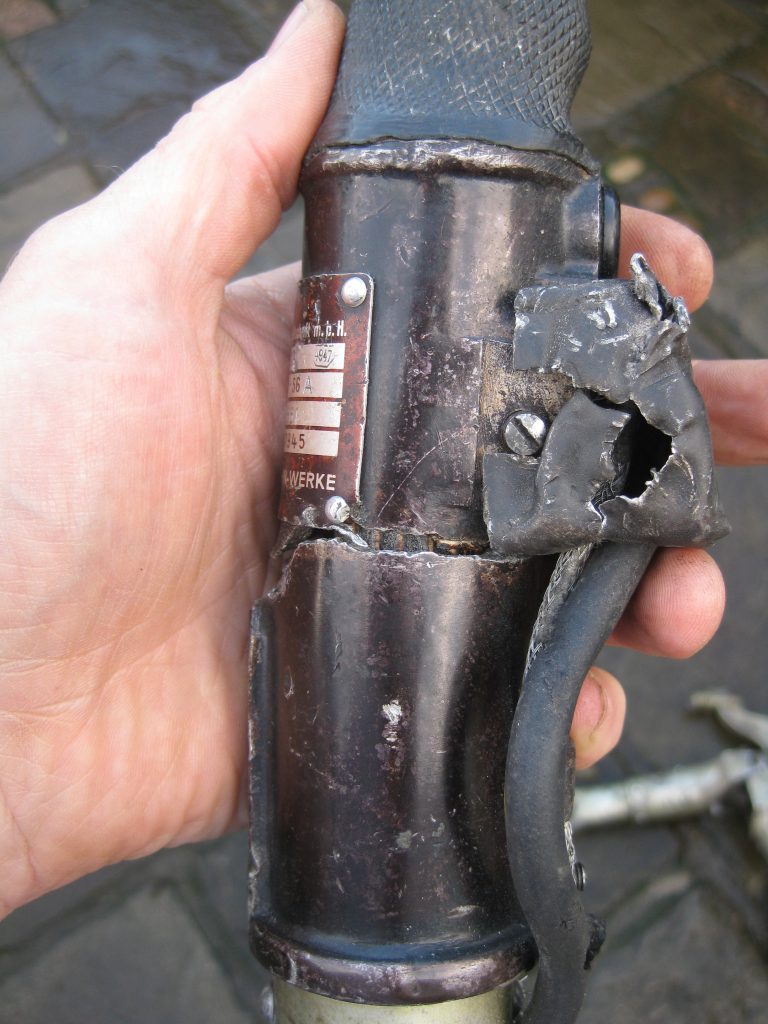
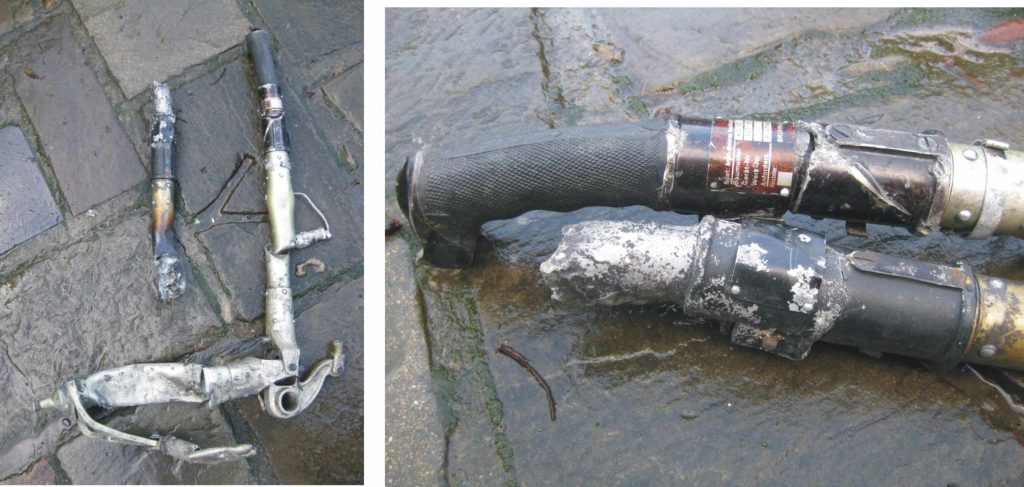
Two sticks in a Stuka! Rear left, front right, cut where the armoured seat front passed through.
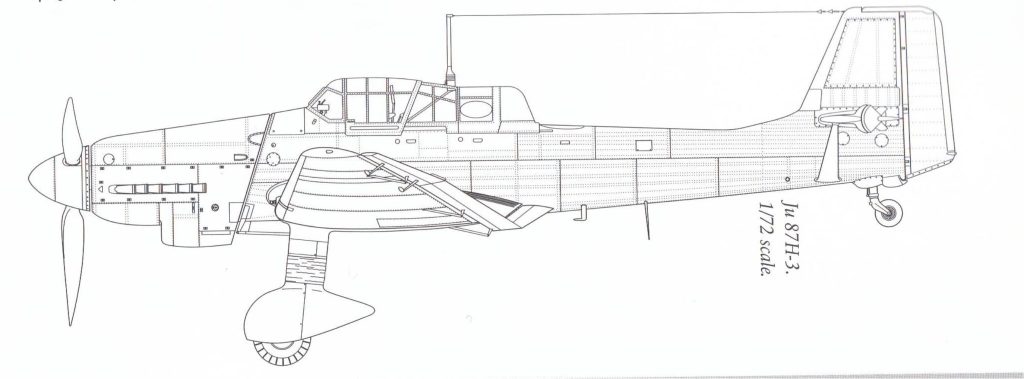
Ju87H. Taken from the excellent Mushroom Model Publication book MMP 6125
The engine stayed in France, and was restored at a local technical college. It was in good enough condition to be turned over, and is now on display at a nearby Maginot Line museum, just North of Thionville.